Key Takeaways
A retroverted uterus is an anatomical condition where the uterus is tilted backward in the pelvis. This is common in many women and is usually harmless, not a major cause of infertility. Some women with this condition may experience painful periods, pain during intercourse, or pelvic pain. It can be diagnosed through a pelvic examination and ultrasound. While a retroverted uterus may indirectly affect pregnancy in some cases, especially when accompanied by adhesions or endometriosis, most women can still conceive normally. Planning ovulation dates, maintaining good health, consulting a reproductive medicine specialist, and using assisted reproductive technologies such as ovarian stimulation, IVF, or ICSI can significantly increase the chances of conception.
Women who undergo a pelvic examination or uterine ultrasound and discover they have a retroverted uterus may worry about its impact on fertility. In reality, this condition is common in many women and is generally not seriously dangerous.
However, understanding the characteristics of a retroverted uterus, the physical warning signs to watch for, and its impact on pregnancy will help those planning to conceive prepare appropriately and plan their reproductive care more effectively and accurately.
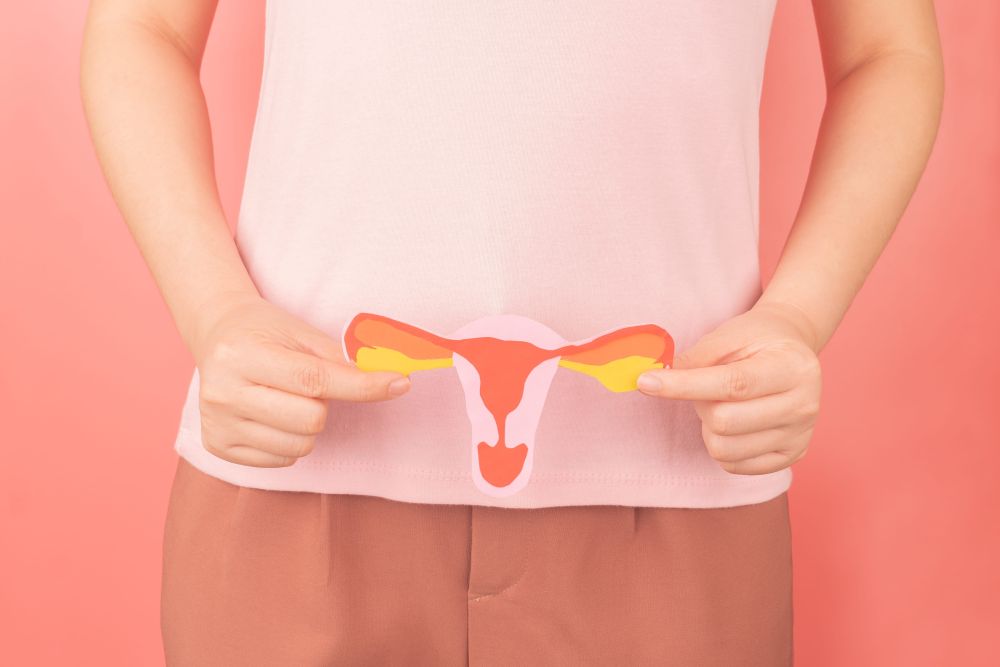
What is a retroverted uterus? A retroverted uterus is an anatomical condition where the uterus is tilted, curved, or positioned posteriorly in the pelvis, instead of tilting or leaning anteriorly as is typical of a woman’s uterus. Medically, this condition is called a retroverted uterus or retroflexed uterus.
In some cases, people colloquially refer to this condition as a “retroverted uterus” because, due to the posterior tilt of the uterus, the cervix may also be angled differently than normal, leading to the misconception that the cervix is also inverted due to the uterine tilt.
Causes of a Tilted (Retroverted) Uterus
A tilted uterus can occur due to several factors, with the primary causes outlined below:
- Congenital Anatomy: Some women are born with a uterus that naturally tilts backward. This is considered a normal anatomical variation unique to the individual, rather than a disease or illness.
- Laxity of Uterine Ligaments: As age increases, the muscles and ligaments holding the uterus in its balanced position can loosen or stretch, causing the uterus to shift backward.
- Prior Pregnancy or Childbirth: During pregnancy, the uterine ligaments expand and stretch significantly. After giving birth, these ligaments may not tighten back to their original state, causing the uterine position to alter.
- Endometriosis: This condition causes abnormal bleeding in the pelvic cavity, leading to adhesions. These adhesions can pull and anchor the uterus into a backward-tilted position.
- Pelvic Adhesions: Pelvic infections or prior abdominal surgeries can cause scar tissue/adhesions that tug and misalign the uterus from its normal position.
- Note: Generally, a tilted uterus is not considered a serious medical condition, and many women with this anatomical feature live their daily lives without any issues.
Warning Signs of a Tilted Uterus
Although many women with a tilted uterus experience no symptoms throughout their lives, some may notice certain warning signs. Observed symptoms include:
More Severe Menstrual Cramps
Women with a backward-tilted uterus may experience severe lower abdominal aching or pain that radiates to the lower back during menstruation. This occurs because the position of the uterus presses against structures or nerves at the back of the pelvis.
Pain During Intercourse
Due to the altered direction of the uterus, certain positions during intercourse may cause direct pressure or impact on the body of the uterus or ovaries, resulting in deep pain or discomfort during sexual activity.
Chronic Back or Pelvic Pain
Some individuals may experience a persistent, dull lower back ache or a feeling of tension and pressure in the pelvic area, caused by the uterus pressing on adjacent organs.
Important: These symptoms can also stem from other gynecological conditions. Therefore, if you experience any of these signs, you should consult a specialist for an accurate diagnosis.
Diagnostic Methods for a Tilted Uterus
If you suspect you have a tilted uterus, a doctor can perform a diagnosis through a gynecological examination using the following common and effective methods:
Pelvic Examination
The doctor evaluates the uterine position and checks for initial abnormalities by palpating the pelvic area.
Ultrasound
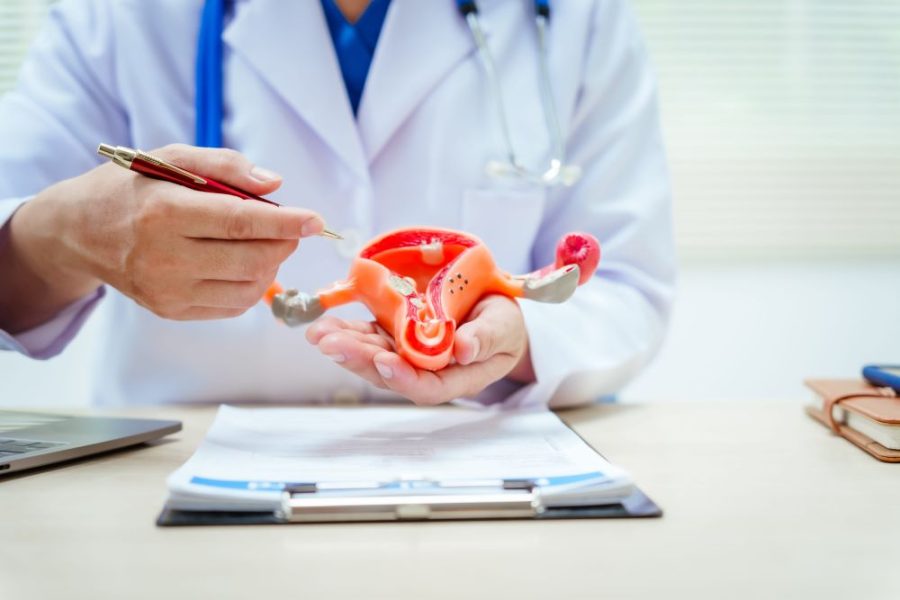
This provides a clearer view of the uterine structure and position. It also helps assess co-occurring abnormalities, such as cysts, fibroids, or adhesions, which might be causing the displacement.
Further Testing for Infertility
If the patient also experiences difficulty conceiving, the doctor may consider additional tests to identify other potential causes—such as evaluating egg quality, hormone levels, fallopian tubes, and semen analysis for the male partner—to get a comprehensive picture of the issue.
Is an Anteverted / Tilted Uterus Dangerous? How Does It Affect Pregnancy?
In reality, the phrase “Anteverted Uterus” refers to a uterus that tilts forward toward the abdomen, which is actually the normal, most common position for most women. Alternatively, people may use this term loosely to refer to a uterine tilt or retroversion. Whether the uterus tilts forward or backward, it is generally not a life-threatening condition, provided there are no underlying severe diseases or pathologies associated with it.
Can You Get Pregnant with a Tilted Uterus?
Although a retroverted (backward-tilted) uterus is not an absolute barrier to getting pregnant, in certain cases, this anatomical orientation can indirectly exert minor effects, such as:
- Sperm Access: During intercourse in standard positions, the altered direction of the cervix may make it slightly more challenging for sperm to reach the cervical opening compared to the typical position.
- Underlying Conditions: If the tilt is caused by severe endometriosis or extensive pelvic adhesions, these underlying conditions themselves can reduce the overall chances of conception.
How to Increase Chances of Pregnancy for Women with a Tilted Uterus
For couples planning to conceive where the female partner has been diagnosed with a retroverted or backward-tilted uterus, making certain lifestyle and behavioral adjustments can help improve the chances of a successful pregnancy:
Plan Around Ovulation
Tracking menstrual cycles and timing intercourse to coincide with the fertile window allows healthy sperm and a mature egg to meet at the optimal moment, significantly increasing the likelihood of conception.
Choose Suitable Positions
Adjusting positions during intercourse can help deposit sperm closer to the cervix, such as positions from behind (e.g., Doggy Style). After intercourse, it is recommended that the female partner lie flat on her back with a pillow elevating her hips slightly for 15–30 minutes to prevent semen leakage and allow it to remain near the cervical opening longer.
Maintain Overall Health
Preparing the body internally is vital. Maintain a healthy body weight, consume a balanced diet across all essential food groups, get 7–8 hours of adequate rest daily, and manage stress, as chronic stress directly affects ovulation.
Consult a Fertility Specialist
If you have been trying to conceive naturally for over 1 year (or over 6 months if the female partner is over 35) without success, it is advisable to consult a fertility clinic. A specialist can perform a detailed evaluation and design a tailored treatment plan.
Today, assisted reproductive technology (ART) has advanced significantly, offering several effective solutions to enhance pregnancy success rates:
Ovulation Induction
The doctor uses medications to stimulate the ovaries, encouraging multiple high-quality eggs to mature. This increases the likelihood of fertilization, whether naturally or through ART procedures.
In Vitro Fertilization (IVF / ICSI)
These assisted technologies—including ICSI (Intracytoplasmic Sperm Injection) and IVF (In-Vitro Fertilization)—involve fertilizing eggs and sperm outside the body in a laboratory setting. Once strong embryos are developed, a viable embryo is transferred directly into the uterine cavity. This completely bypasses any difficulties regarding sperm reaching the cervix due to a tilted uterus, maximizing the chances of pregnancy for individuals facing fertility challenges.
Summary: A tilted uterus is a common anatomical variation in many women. It is usually harmless and does not automatically cause infertility. If you suspect you have this condition, there is no need to worry excessively; instead, seek proper medical evaluation and reproductive health planning.
If you have a tilted uterus, are curious about IVF procedures, or are concerned about family planning, Bangkok IVF Clinic (BIC) is ready to support you as your Fertility Planner. Our team of reproductive medicine specialists can evaluate your uterine health, reproductive system, and potential fertility factors to design a personalized path to parenthood.
For More Information or to Schedule a Consultation
- Tel: 02-933-1584 to 6
- Line@: @Bangkokivfclinic


References
- Retroverted uterus. Retrieved June 10, 2026, from https://www.betterhealth.vic.gov.au/health/conditionsandtreatments/retroverted-uterus
- The Retroverted Uterus and Pelvic Floor Dysfunction: 400 BC to 2025 AD. Retrieved June 10, 2026, from https://pmc.ncbi.nlm.nih.gov/articles/PMC12618285/
- What You Should Know About Retroverted Uterus. Retrieved June 10, 2026, from https://www.healthline.com/health/womens-health/tilted-uterus
Frequently Asked Questions About a Tilted Uterus (FAQs)
Q: Can a retroverted uterus return to a normal position on its own?
A: Yes, in some cases—especially when it is caused by changes in the uterine ligaments after pregnancy, or as the uterus expands during a new pregnancy. However, uterine orientation varies individually, and medical treatment is unnecessary if no abnormal symptoms are present.
Q: Does a tilted uterus affect pelvic exams or cervical cancer screening (Pap smears)?
A: Generally, it does not affect the accuracy of the test results. However, the doctor may need to adjust their technique or select suitable instruments tailored to the position of the cervix to ensure a comfortable procedure and clear diagnostic findings.
Q: When should I see a doctor if I suspect I have a tilted uterus?
A: If you experience severe menstrual cramps, chronic pelvic pain, pain during intercourse, or have been trying to conceive without success within an expected timeframe, you should consult a specialist for an accurate evaluation and proper management.