Key Takeaways
Anovulation (failure to ovulate) is a major cause of infertility, resulting from the ovaries’ inability to release eggs according to the menstrual cycle, thus preventing fertilization, even if some women maintain a normal menstrual cycle. The main causes are often related to hormonal imbalances such as PCOS, abnormal weight, stress, or thyroid disorders. This can be observed through irregular menstrual cycles, missed periods, or increased acne and hirsutism. Anovulation can be diagnosed and treated with lifestyle modifications, ovulation-stimulating drugs, or assisted reproductive technologies such as ICSI to increase the chances of pregnancy effectively and safely.
Anovulation (failure to ovulate) is a major cause of infertility in women of reproductive age. It results from ovarian dysfunction that prevents the ovaries from releasing eggs during the menstrual cycle, thus preventing fertilization. This occurs even though menstruation or symptoms similar to a normal period continue.
Therefore, this article will explain anovulation, its causes, symptoms, and treatment options to provide a clear understanding and enable effective family planning, increasing the chances of pregnancy.
What is Anovulation?
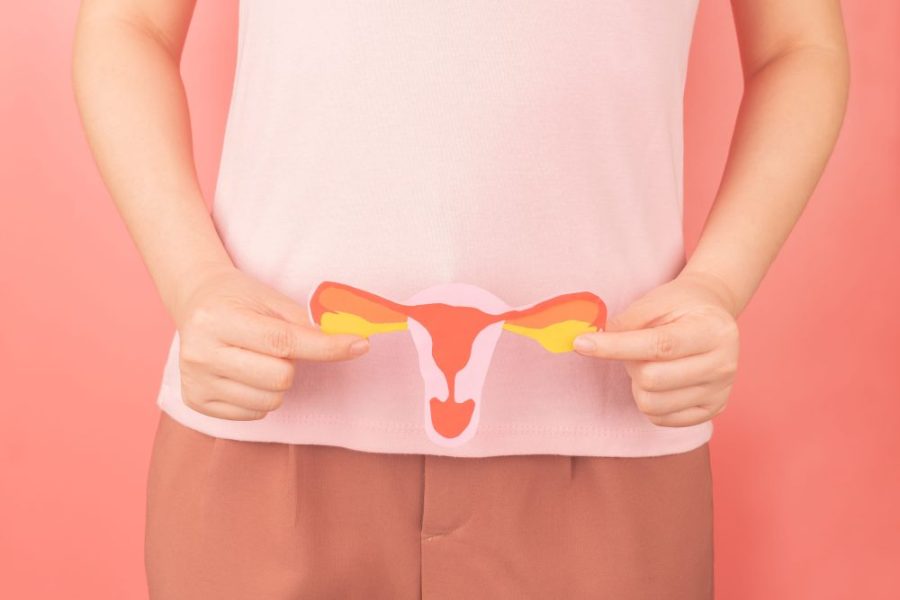
Anovulation is a condition where the ovaries are unable to release a mature egg in the middle of the menstrual cycle. Normally, all women of reproductive age ovulate once a month, allowing for fertilization by sperm. However, if ovulation does not occur, the chance of pregnancy in that cycle is completely eliminated.
A common confusion with this condition is that women with anovulation may still experience bleeding similar to menstruation. This bleeding is due to hormonal imbalance or the shedding of the uterine lining, not true ovulation.
If this condition persists for a long time, it is called chronic anovulation, which results in significantly irregular menstrual cycles and increases the risk of other health problems.
What Causes Anovulation?
Anovulation has many causes, and is often linked to hormonal imbalances. The most common factors include:
- Polycystic Ovary Syndrome (PCOS) is a leading cause of anovulation. It results from an imbalance of female hormones that prevents egg follicles from developing and being released normally, leading to the accumulation of small cysts in the ovaries.
- Being overweight or underweight is another factor. Body fat directly affects hormone production and balance. Both being overweight and underweight can interfere with the hormonal system and may cause anovulation.
- Accumulated stress and excessive exercise can lead to the release of high levels of cortisol, which interferes with the function of hormones related to ovulation, such as LH and FSH.
- Thyroid and pituitary gland disorders are also contributing factors. These glands directly control important hormones related to the menstrual cycle. If they malfunction, whether too high or too low, it can disrupt the ovulation process.
In addition, other factors such as teenage girls whose hormonal systems are not yet fully developed, or those approaching menopause, also have a higher risk of anovulation.
What are the symptoms of anovulation (failure to ovulate)?
Observing the body’s warning signs is important. Anovulation most often manifests through menstrual cycle irregularities, including:
- Irregular periods, which may occur intermittently or be absent for more than 35 days in some months.
- Missed periods, often occurring in severe cases where periods may be absent for several months.
- Spotting or spotting, which usually occurs outside of the menstrual cycle or is unusually light.
- Other hormonal symptoms such as oily skin, excessive acne, and excessive body hair growth, which are common in PCOS patients, as well as unusual weight gain.
Note: Image for advertising purposes only.
How do I know if I’m not ovulating?
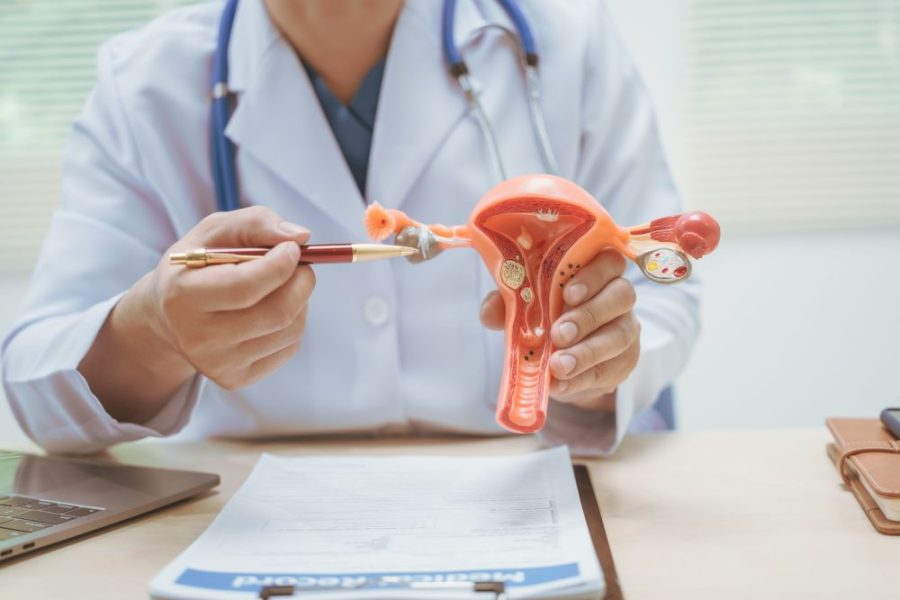
Diagnosing anovulation requires a combination of observation and medical examination. Doctors usually start by taking a medical history including menstrual cycle, weight, underlying medical conditions, and lifestyle habits. Further tests may then be performed, such as:
- Ovarian ultrasound to check the growth of follicles and assess whether ovulation is occurring.
- Hormone level tests, such as LH, FSH, Estradiol, or Progesterone, to check the balance of hormones related to ovulation.
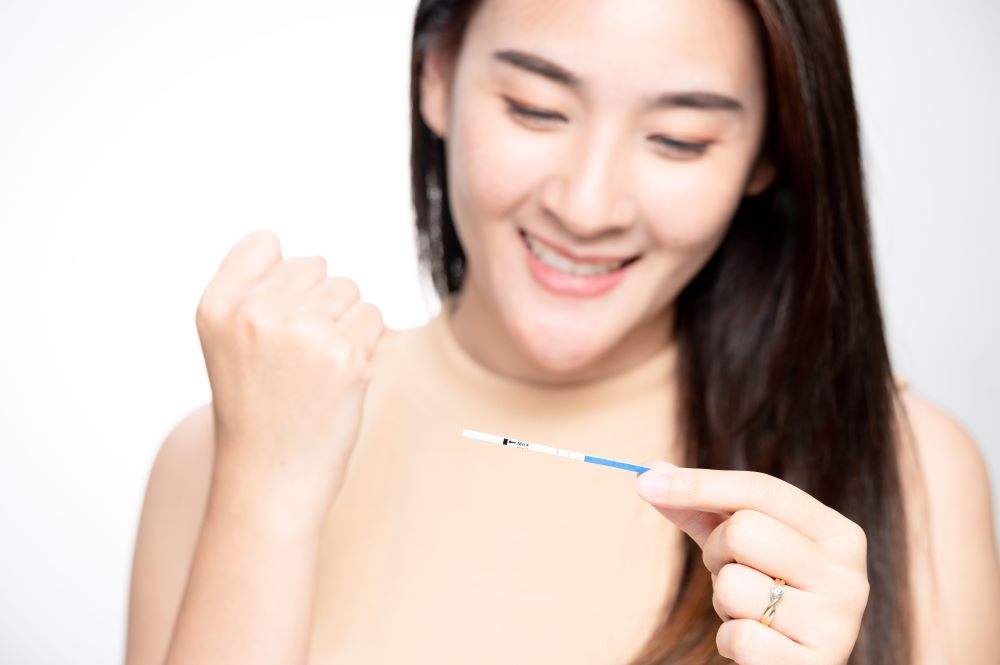
- Ovulation test kits can be used for preliminary testing at home, detecting LH levels before ovulation.
However, if you have been trying to conceive naturally for 6-12 months without success, you should consult a specialist in reproductive medicine for a more detailed examination and appropriate treatment plan.
Can you still get pregnant if you don’t ovulate? What are the effects on pregnancy?
When ovulation doesn’t occur, the chance of fertilization between an egg and sperm in that menstrual cycle is zero. Therefore, anovulation is a major cause of infertility, especially when it occurs continuously over the long term. Even if ovulation occurs in some cycles, this irregularity makes pregnancy planning very difficult because it’s impossible to calculate the optimal time.
In addition to the impact on pregnancy, chronic anovulation also increases the risk of other worrying diseases, such as endometrial cancer, because anovulation leads to low progesterone levels, causing the uterine lining to thicken abnormally. It can also lead to type 2 diabetes, which is linked to insulin resistance in women with PCOS.
How is anovulation treated?
The treatment approach depends on the cause, age, and the individual’s desire to have children. The main methods are as follows:
- Lifestyle modification is the first step in treatment, such as weight loss for overweight individuals, or reducing stress and getting enough rest. This often helps to balance hormones and induce natural ovulation.
- Using ovulation-stimulating drugs. Doctors may prescribe oral ovarian stimulants such as Clomiphene or Letrozole to help promote follicle growth and ovarian release.
- Hormone injections: If oral medications are ineffective, doctors may use hormone injections to directly stimulate the ovaries.
- Assisted Reproductive Technology: For couples with complex issues, doctors may recommend ICSI (Intracytoplasmic Sperm Injection), a popular and highly successful method. This involves selecting a single, healthy sperm and injecting it directly into an egg to aid fertilization.
Anovulation, while a problem that can lead to infertility, can be diagnosed and treated if properly managed early on. Understanding your body’s signals and consulting a doctor when abnormalities occur is crucial to increasing your chances of pregnancy and maintaining long-term health.
At Bangkok IVF Clinic (BIC), we have expert reproductive medicine doctors with experience and technology to help plan treatment for anovulation and are happy to provide consultations on ICSI, a safe and confident way to increase your chances of having children.
For More Information or to Schedule a Consultation:
- Tel: +(66)02-933-1584 to 6
- Line@: @Bangkokivfclinic
References
- Management of Anovulation. Retrieved May 15, 2026, from https://w1.med.cmu.ac.th/obgyn/lecturestopics/topic-review/6026/
- Anovulation. Retrieved May 15, 2026, from https://pmc.ncbi.nlm.nih.gov/articles/PMC192851/


Frequently Asked Questions about Anovulation (FAQs)
Q: If I don’t ovulate, will I still have my period?
A: Even without ovulation, some women can still have periods. However, the bleeding may not be a true menstrual period from an ovulation cycle. It is often due to hormonal fluctuations, resulting in abnormal bleeding or irregular periods.
Q: Can anovulation resolve on its own?
A: In some cases, anovulation may return to normal if it is caused by temporary factors such as stress, lack of sleep, or weight changes. However, if it is due to hormonal imbalances or underlying medical conditions, appropriate examination and treatment are necessary.
Q: Does age affect anovulation?
A: Age directly affects the quality and function of the ovaries. As age increases, especially after age 35, the chances of regular ovulation decrease, and the risk of anovulation increases.
Q: How long does treatment for anovulation take?
A: The duration of treatment depends on the cause of the problem. Some women may respond quickly to lifestyle changes or medication within a few months, while others may need to use assisted reproductive technologies to increase the chances of pregnancy.