Key Takeaways
Azoospermia is the absence of sperm in semen after examination and is a major cause of male infertility. This condition can be categorized into two types: those caused by blockage and those with abnormal sperm production, each requiring different treatment approaches. Even if no sperm is detected in semen, in some cases, sperm can be retrieved from the testicles using PESA or TESE for use in conjunction with ICSI (Intracytoplasmic Sperm Injection). However, thorough early diagnosis is crucial to maximize the chances of successful and appropriate infertility treatment.
Infertility isn’t exclusive to women; men can experience it too. One common cause is azoospermia, which can lead to the misconception that it prevents future conception. However, this condition is treatable, depending on the cause and accurate diagnosis. This article will help you understand what azoospermia is, why it occurs, how it can be detected, and available treatment options, enabling you to plan your family life more effectively.
What is Azoospermia?
Azoospermia is a medical condition characterized by the complete absence of “spermatozoa” (sperm cells) in the semen sample after laboratory analysis, even though the man can still ejaculate normally.
This condition is one of the leading causes of male infertility, found in approximately 10–15% of men seeking fertility evaluation.
Note: Many people often confuse Azoospermia (no sperm) with Aspermia (no semen), which are actually two entirely different conditions:
- Azoospermia (No sperm): Semen is still ejaculated normally, but it contains absolutely no sperm cells inside.
- Aspermia (No semen): There is a complete lack of semen ejaculation, or the volume is abnormally low.
Therefore, even if ejaculation occurs normally, the absence of sperm cells within the fluid means that natural pregnancy cannot be achieved.
How Many Types of Azoospermia Are There?
Generally, Azoospermia is classified into 2 main categories based on the underlying cause:
1. Obstructive Azoospermia
This type occurs when the body can still produce sperm normally, but there is a blockage or physical obstruction in the reproductive tract (sperm ducts). This prevents the sperm from traveling out to mix with the semen.
Common Causes:
- Blocked or narrowed vas deferens/epididymis
- Past infections or inflammation in the reproductive system
- Prior surgeries in the genital area (such as a vasectomy)
- Congenital conditions (e.g., being born without the vas deferens)
Note: Men with this condition still have a high chance of finding viable sperm directly within the testes or epididymis.
2. Non-obstructive Azoospermia
In this condition, the reproductive tract is completely clear, but the testes or hormone levels are abnormal. As a result, the body produces very few sperm cells or cannot produce them at all.
Common Causes:
- Hormonal imbalances regulating sperm production (e.g., pituitary gland issues)
- Genetic disorders or chromosomal abnormalities
- Testicular atrophy, undescended testicles, or physical trauma to the testes
- Past exposure to toxic chemicals, chemotherapy, or radiation therapy
No Semen/Sperm?
What are the possible causes? The absence of sperm (Azoospermia) or semen can be caused by various factors, including physical conditions, hormones, and lifestyle habits.
Sperm Production Issues
If the testes malfunction, it can result in low sperm production or none at all, such as:
- Low Testosterone levels
- Abnormal FSH and LH hormone levels
- Testicular atrophy
- Genetic abnormalities
Reproductive Tract Obstruction
Some individuals can still produce sperm, but face issues regarding its transport, such as:
- Blocked vas deferens (sperm ducts)
- Scar tissue from inflammation
- Previous vasectomy surgery
Behavioral and Environmental Factors
Certain habits and lifestyle factors can negatively impact the quality of sperm production, such as:
- Smoking
- Heavy alcohol consumption
- Chronic stress
- Lack of sleep/rest
- Heat accumulation around the testicular area
How to Determine Azoospermia?
Azoospermia is not noticeable by external symptoms because most men still ejaculate normally. Therefore, further testing is necessary to determine the cause and plan appropriate treatment.
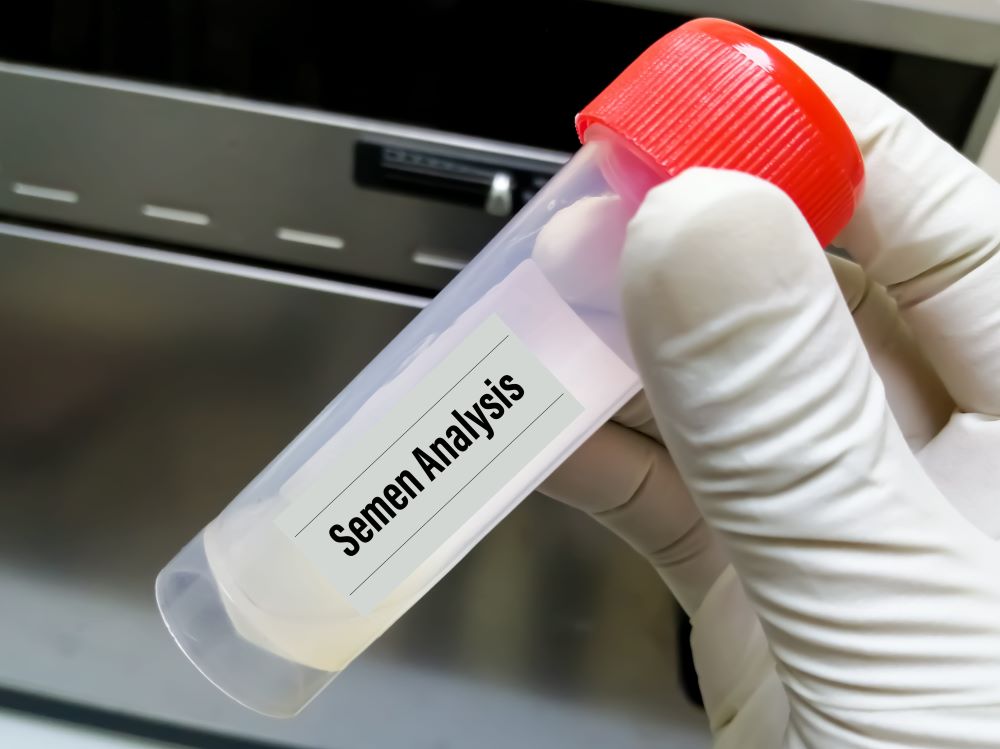
Semen Analysis
This is the primary test to determine the presence of sperm in semen, as well as to assess the quantity and quality of sperm. In some cases, the doctor may recommend repeat testing to confirm the results, as test results can change due to various factors such as stress or the duration of abstinence.
Hormone Testing
The doctor may test hormone levels such as testosterone, FSH, and LH to assess testicular function and the hormonal system involved in sperm production. This helps differentiate whether the condition is caused by abnormal sperm production.
Ultrasound and Further Examinations
Ultrasound helps examine the testicular structure and the sperm ducts for abnormalities or blockages. In some cases, additional genetic testing may be required to help assess treatment options and the chances of sperm storage for assisted reproductive care.
Treatment Plans for Anemia
Treatment approaches for azoospermia vary depending on the cause. Not all patients receive the same treatment. Doctors must consider semen analysis results, hormone tests, physical examination, and additional tests to determine the most appropriate approach for each individual.
Treatment based on the cause:
If azoospermia is due to a hormonal imbalance, doctors may consider treatments to restore hormone balance, stimulating sperm production in some cases.
If it’s due to a blockage in the sperm ducts or reproductive system, doctors may consider surgical correction of the blockage. However, this depends on the location and nature of the blockage. Not all cases are surgically correct, so a thorough evaluation is necessary before planning treatment.
Assisted Reproductive Technology:
If the cause cannot be directly addressed or no sperm is found in the semen, doctors may consider sperm retrieval from the testicles or epididymis, such as PESA or TESE. If successful, these sperm can be used in conjunction with ICSI, a technique that selects a single sperm and injects it directly into the egg.
This approach increases the chances of conception for men with azoospermia, especially those who still produce some sperm even if no sperm is detected in the semen.
What are PESA/TESE and how do they help?
PESA and TESE are procedures for directly collecting sperm from the male reproductive system. They are often used when no sperm is detected in the semen, but the doctor assesses that there is still a chance of finding sperm within the epididymis or testicular tissue.
What is PESA?
PESA (Percutaneous Epididymal Sperm Aspiration) is the use of a small needle to puncture the skin into the epididymis to extract sperm. This method is often suitable for men whose bodies can still produce sperm but have blockages that prevent sperm from mixing with the semen, such as those who have undergone vasectomy, have blocked sperm ducts, or have abnormalities of the sperm ducts.
What is TESE?
TESE (Testicular Sperm Extraction) is a minor surgery to take a tissue sample from the testicle to examine for sperm within the tissue. This method is often used when sperm cannot be retrieved from the epididymis, or when the doctor suspects that some sperm may be produced in the testicles even if no sperm is detected in the semen.
Who are PESA and TESE suitable for?
Both PESA and TESE sperm retrieval from the testicles are suitable for men with azoospermia, or those whose semen is undetectable, especially those whom the doctor assesses still have a chance of finding sperm within the male reproductive system. However, not everyone needs both methods. The doctor will consider the cause of the condition, including the absence of sperm, semen analysis results, hormone levels, and testicular condition, to choose the most appropriate method for each individual.

Can men with Azoospermia still have children? Although this condition is a cause of infertility, it does not mean there is absolutely no chance of having children. In some cases, sperm can still be retrieved directly from the testes and used in conjunction with Assisted Reproductive Technology (ART), such as ICSI. Furthermore, current medical technology continues to increase the chances of pregnancy, especially when properly diagnosed and a treatment plan is made.
When should you see a doctor? Couples who have been trying to conceive for a long time without success should undergo a medical evaluation, particularly if they meet any of the following conditions:
- Trying to conceive for more than 1 year without success
- Semen analysis results show zero sperm count
- Experiencing hormonal or sexual dysfunction issues
- Having a history of surgery or infection in the reproductive system
- Having a history of testicular abnormalities
If you are facing the absence of sperm or suspect you have Azoospermia, undergoing a detailed medical examination will help identify the cause and the most appropriate treatment plan.
At Bangkok IVF Clinic (BIC), a specialized fertility clinic in Bangkok, we have obstetricians and gynecologists with extensive experience, along with technology to help plan the most appropriate personalized treatment—increasing your chances of having a child safely and with greater confidence.
For more information or to schedule a consultation, please contact:
- Tel: +(66)02-933-1584 to 6
- Line@: @Bangkokivfclinic
References
- Schlegel, P. N., Sigman, M., Collura, B., et al. (2020). Diagnosis and treatment of infertility in men: AUA/ASRM guideline part I. Retrieved on May 18, 2026, from https://www.asrm.org/practice-guidance/practice-committee-documents/diagnosis-and-treatment-of-infertility-in-men-auaasrm-guideline-part-i-2020/
- Sharma, M., Leslie, S. W., & Sharma, S. (2025). Azoospermia. Retrieved on May 18, 2026, from https://pubmed.ncbi.nlm.nih.gov/35201719/
- Flannigan, R., Bach, P. V., Schlegel, P. N., et al. (2023). 2023 Canadian Urological Association guideline: Evaluation and management of azoospermia. Retrieved on May 18, 2026, from https://pmc.ncbi.nlm.nih.gov/articles/PMC10426420/


Frequently Asked Questions about Azoospermia (FAQs)
Q: Will men with azoospermia have any obvious symptoms?
Most men have no obvious symptoms and can still have sexual intercourse or ejaculate normally. Therefore, azoospermia is often detected after unsuccessful attempts at conception or through direct fertility health checks.
Q: Can azoospermia be prevented?
Some causes cannot be prevented, such as genetic abnormalities. However, overall health care, such as avoiding smoking, heavy alcohol consumption, accumulated stress, and heat in the testicles, may help reduce the risk of sperm production problems.
Q: If no sperm is detected, is a PESA or TESE test necessary for everyone?
Not always. The doctor will assess the cause of azoospermia, hormone test results, and testicular function first. If there is a possibility of finding sperm within the testicles or spermatic cord, then PESA or TESE will be considered.