Key Summary
The choice between egg freezing and embryo freezing depends on each individual’s status and readiness for family planning. Regardless of the approach chosen, the entire process begins with egg retrieval to preserve egg cells for in vitro fertilization. Unmarried women can choose egg freezing to preserve egg quality for future use, while married women can opt for embryo freezing, allowing doctors to assess embryo quality and plan more effectively. A pre-decision health checkup at a fertility clinic will help you receive targeted advice and treatment options tailored to your body.
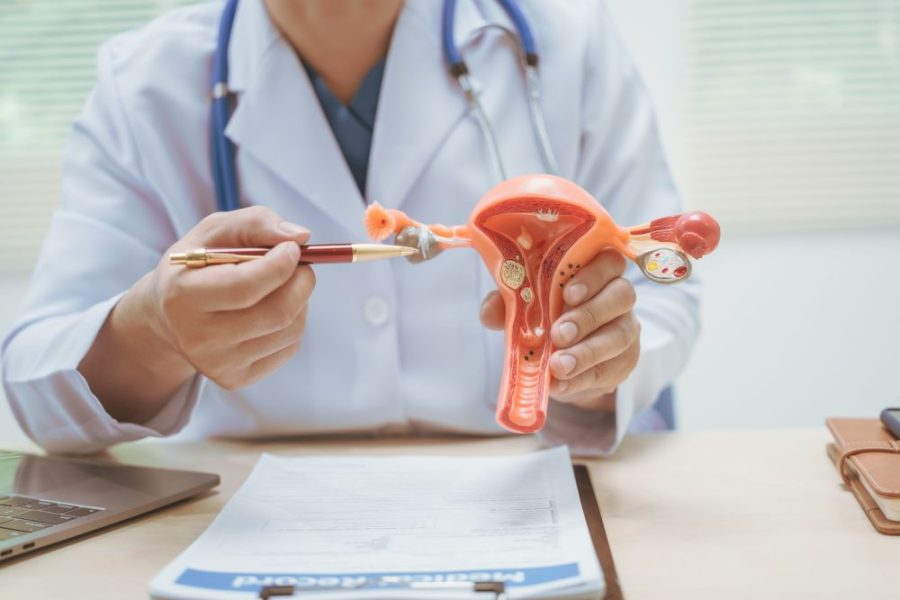
Many women are increasingly prioritizing family planning, whether it’s delaying conception or preparing for pregnancy through health checkups. This has led to increased interest in medical technologies like egg freezing and embryo freezing.
Understanding the differences between egg freezing and embryo freezing—including their advantages, limitations, and which approach best suits individual family goals—will help you make informed decisions that align with your lifestyle.
Egg Retrieval: The Vital Starting Point for Freezing Germ Cells
Entering the process of egg or embryo freezing always begins at the same point: a medical procedure known as egg retrieval. This is a crucial step in obtaining female reproductive cells (oocytes) for use outside the body.
The Egg Retrieval Process: Medical Procedures You Should Know
Egg retrieval begins with approximately 10–12 days of hormone injections to stimulate the ovaries to produce multiple follicles. Physicians monitor growth via ultrasound; once the follicles reach the appropriate size, a “trigger shot” is administered to mature the eggs. The retrieval is scheduled 36 hours later. The procedure takes about 15–30 minutes under mild sedation. A physician uses a fine needle inserted through the vaginal wall to aspirate the oocytes. Recovery time is minimal, typically requiring only 45–60 minutes of rest.
Post-Retrieval Options: How to Plan for the Future?
Once mature oocytes are retrieved, the laboratory can proceed in two primary directions, forming the basis of family planning choices:
- Egg Freezing (Oocyte Cryopreservation): Freezing mature eggs immediately without fertilization.
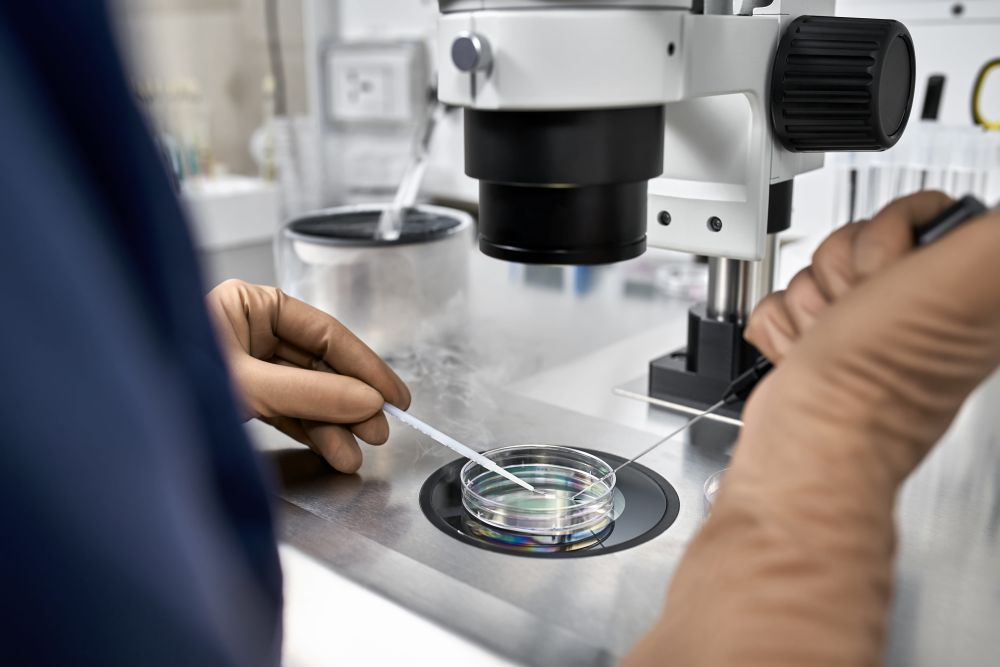
- Embryo Freezing: Fertilizing the eggs with a spouse’s sperm—using methods like IVF or ICSI—and culturing them in the lab until they reach the Blastocyst stage before freezing.
Deep Dive: Who is Egg Freezing Suitable For?
Egg freezing is a highly popular option for modern women who wish to extend their reproductive window. It helps mitigate infertility risks caused by declining egg quality as one ages.
The Process and Principles of Egg Freezing
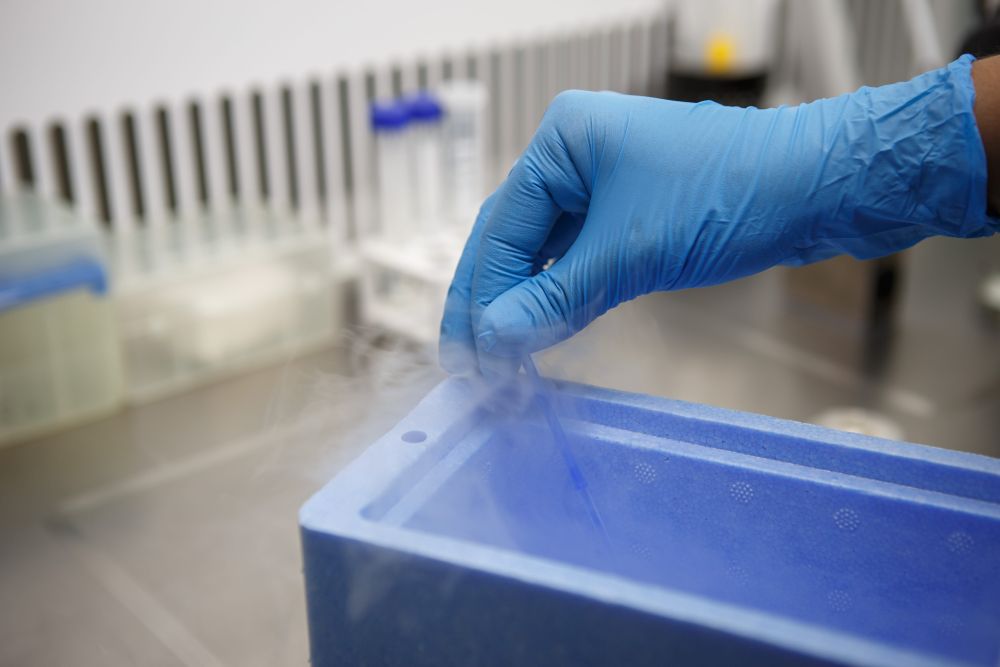
This process involves rapidly freezing unfertilized eggs to “stop the clock” on the cells’ age at the time of retrieval. They are stored in liquid nitrogen at approximately -196°C. When the individual is ready to conceive, the eggs are thawed for fertilization.
Highlights and Advantages of Egg Freezing
- Preserves egg integrity without needing sperm: Ideal for those who do not currently have a partner.
- Locks in quality at a younger age: Freezing in one’s late 20s or early 30s preserves high-quality cells for future use.
Limitations and Considerations
- The final number of viable embryos remains unknown until the eggs are thawed and fertilized.
- Eggs are fragile; depending on age, 15–20 eggs may be needed to ensure a high probability of a successful birth, which might require more than one stimulation cycle.
Understanding Embryo Freezing: Differences for Couples
Embryo freezing requires fertilization first. The retrieved eggs are combined with a spouse’s sperm using Assisted Reproductive Technology (ART), such as ICSI. Once the egg and sperm fertilize and develop into an embryo, those embryos are then frozen.
Advantages of Embryo Freezing in Family Planning
- Provides a clear assessment of embryo quality and the exact number of surviving embryos.
- Embryo cells are resilient to the freezing and thawing process. They can also undergo Preimplantation Genetic Testing (PGT) before freezing to ensure health before uterine transfer.
Limitations and Conditions to Consider
- Embryo freezing requires sperm from a legal spouse. If marital status changes in the future (e.g., divorce), legal restrictions or consent issues may prevent the embryos from being used.
Comparing Embryo Freezing vs. Egg Freezing: Which is Right for You?
To make your decision easier, we can break down the primary differences between Egg Freezing and Embryo Freezing based on timing, readiness for parenthood, and family planning as follows:
Comparison: Egg Freezing vs. Embryo Freezing
| Feature | Egg Freezing | Embryo Freezing |
| What is frozen? | Oocytes (Unfertilized eggs) | Embryos (Fertilized eggs) |
| Is sperm required? | No | Yes (Spouse’s sperm) |
| Who is it for? | Single women, those without a partner, or those wishing to delay childbearing. | Couples wishing to delay pregnancy or those facing infertility issues. |
| Decision-making | High autonomy; the eggs belong solely to the woman. | Requires mutual consent from both partners. |
| Success Rate | Depends on the quality of eggs at retrieval and the sperm used in the future. | More predictable based on the quality and number of existing embryos. |
Egg Freezing vs. Embryo Freezing: Which to Choose?
There is no “one-size-fits-all” answer. The decision should be based on your life stage, goals, and health readiness. Here are the basic guidelines:
When “Egg Freezing” is the appropriate choice:
- Not ready for children: You want to focus on your career, education, or personal goals first.
- No current partner: You want to preserve the health of your eggs so that increasing age does not become a barrier to future motherhood.
- Preserving reproductive health: You need to undergo medical treatments that may affect the ovaries, such as chemotherapy.
When “Embryo Freezing” is more suitable:
- Clear plan for children: You intend to have children but need to delay the pregnancy or space out your children.
- Married/In a committed partnership: You are ready and planning to build a family together.
- Increasing success rates: You are preparing for IVF and wish to perform chromosomal screening on the embryos in advance.
Checklist: Key Factors to Help You Decide
- Age: Both the quality and quantity of eggs decline with age, especially after 35. Early planning yields better results.
- Ovarian Health: Check your AMH hormone levels and have an ultrasound to evaluate your antral follicle count to plan the stimulation properly.
- Life Plan: Define a rough timeframe for when you expect to be ready for pregnancy.
- Time Commitment: Allocate time for daily hormone injections and regular follow-up appointments with the doctor.
Why Consult a Fertility Clinic Before Deciding?
Undergoing these medical procedures should be done under the care of a reproductive medicine specialist to ensure accurate assessment and guidance:
- Ovarian and Hormonal Assessment: Uses blood tests and ultrasounds to pinpoint the health of the ovaries.
- Personalized Planning: Doctors adjust the stimulation medication dosages to suit each individual’s bodily response for maximum safety.
- Standardized Care: High-standard laboratory processes and close monitoring by physicians reduce risks and ensure efficiency.
If you are hesitating between Egg Freezing and Embryo Freezing, consulting a doctor will help you understand the choice that best fits your life—especially regarding the critical steps of egg retrieval and embryo planning.
At Bangkok IVF Clinic (BIC), we are a specialized fertility center offering comprehensive services from assessment and planning to advanced reproductive technologies. With over 30 years of physician experience and 15 years of clinic expertise, we are ready to help you make a confident decision for your future family.
For more information or to schedule a consultation:
Phone: +(66) 02-933-1584 to 6
WhatsApp: @Bangkokivfclinic
References
- Common Methods of Fertility Preservation. Retrieved April 10, 2026. From: https://www.reproductivefacts.org/patient-journeys/fertility-preservation/
- Thinking About Freezing Your Fertility? 5 Things to Consider. Retrieved April 10, 2026. From: https://rightasrain.uwmedicine.org/life/parenthood/fertility-preservation-egg-freezing
- Freezing Eggs or Embryos and Other Fertility Preservation Options. Retrieved April 10, 2026. From: https://www.breastcancer.org/managing-life/fertility-pregnancy-issues/infertility/egg-embryo-freezing


Frequently Asked Questions About Egg Freezing vs. Embryo Freezing (FAQs)
Q: Which is better: Embryo Freezing or Egg Freezing?
A: Neither is inherently “better”; it depends entirely on your current status. If you are married and have a definite plan to build a family, embryo freezing allows for a clearer assessment of your chances. However, if you are currently single, egg freezing is the ideal choice to preserve your future reproductive opportunities.
Q: How long can frozen eggs be stored?
A: Using Vitrification (ultra-rapid freezing) technology at -196°C, cellular activity is completely suspended. Eggs can be stored for many years while maintaining a quality level nearly identical to the day they were retrieved.
Q: Does embryo freezing actually increase the chances of pregnancy?
A: Embryo freezing allows time to prepare the uterine lining to be in its most receptive state before transfer. Furthermore, it provides the opportunity for chromosomal screening to select the healthiest embryos, which can significantly increase the chances of a successful and healthy pregnancy.
Q: At what age should I start planning for egg freezing?
A: The optimal age range is typically between 25–35 years old, as this is when egg quality is highest and quantity is sufficient. However, women over 35 can still undergo the procedure but may require a more specialized stimulation plan tailored by their physician.
Q: How should I prepare before egg retrieval?
A: You should focus on overall wellness: get adequate rest, eat a nutritious diet, quit smoking, and limit alcohol consumption. Additionally, ensure you attend all medical check-ups and hormone screenings as scheduled to ensure your body responds effectively to the stimulation medication.