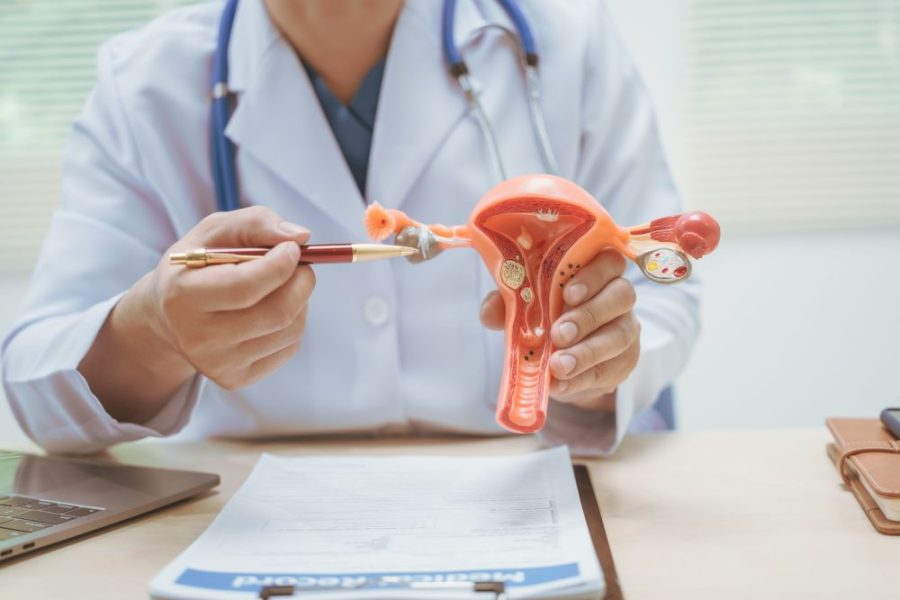
For many couples, sterilization may have felt like the right choice at one point in their lives. However, as time passes and circumstances change, many return with a question filled with both hope and anxiety: “Can I still have a baby after being sterilized?”
While sterilization is an effective form of permanent contraception, the major drawback is that natural conception becomes unlikely if you change your mind later. Fortunately, advancements in reproductive technology have opened new doors, allowing sterilized couples to have children again through proper planning and guidance from fertility specialists.
What is Sterilization?
Sterilization is a permanent contraceptive method designed to prevent pregnancy for both women and men.
- Tubal Ligation (Female Sterilization): A surgical procedure where the fallopian tubes—the pathway between the ovaries and the uterus—are cut and tied. This blockage prevents the egg from meeting the sperm, thereby preventing fertilization.
- Vasectomy (Male Sterilization): A minor surgery to tie or cut the vas deferens, the tubes that carry sperm from the testes to the urethra. This ensures that sperm is not present in the semen during ejaculation.
Can you have a baby after sterilization?
The answer is “Yes,” but generally not through natural means. Because sterilization is permanent, the body cannot reconnect these pathways on its own. However, modern medical treatments such as Tubal Reversal or Assisted Reproductive Technologies (ART) like ICSI make it possible to conceive again.
Primary Treatment Options:
- Reversal Surgery: Best suited for younger women with no complications, or men who underwent a vasectomy recently and whose testes still produce healthy sperm. While this allows for natural conception, it carries a risk of ectopic pregnancy.
- In Vitro Fertilization (IVF): Recommended for women aged 35 and older or those with factors that lower the success rate of reversal surgery (such as scarring/adhesions). IVF offers higher success rates by controlling fertilization in a lab environment, especially when combined with ICSI to address sperm quality issues.
5 Steps to Having a Baby After Female Sterilization
If you wish to have a child after tubal ligation, follow these steps to maximize your chances:
1. Consult a Fertility Specialist
The first crucial step is a detailed consultation. A specialist will review your sterilization history and perform a comprehensive health check for both partners to determine the best path forward—whether it be reversal surgery or ART.
2. Evaluate Reversal Surgery Potential
The doctor will assess the feasibility of a reversal by looking at your age, the remaining length and health of the fallopian tubes, and the time elapsed since the procedure. The male partner’s sperm quality is also evaluated to ensure a reversal is the most viable option.
3. Consider IVF (In Vitro Fertilization)
If a reversal is unlikely to succeed—due to the woman being over 35 or damaged tubes—IVF is the superior alternative. IVF bypasses the fallopian tubes entirely, allowing for controlled fertilization and a higher probability of success.
4. Utilize ICSI Technology
In cases involving low sperm count, poor motility, or when sperm must be retrieved directly from the testes, ICSI (Intracytoplasmic Sperm Injection) is used. By selecting a single healthy sperm and injecting it directly into the egg, doctors can overcome complex infertility issues.
5. Prepare Your Body and Mind
Medical technology works best when the body is healthy. Manage chronic conditions like diabetes or hypertension, maintain a healthy weight, and exercise regularly. Don’t overlook mental health; reducing stress is vital, as high stress levels can interfere with hormones and treatment outcomes.

If you have previously undergone sterilization and are looking for hope to have a child once again, Bangkok IVF Clinic (BIC) is here to help. We are a specialized fertility center with extensive experience and have earned the trust of many couples in treating infertility. Our clinic operates under the expert guidance of Dr. Viwat Chinpilas, a fertility consultant with over 30 years of experience.
BIC Clinic is equipped with medical technology that meets healthcare facility standards. We provide a full range of services, including infertility diagnosis, ovulation induction, In Vitro Fertilization (IVF), and Preimplantation Genetic Testing (PGT-A). We are dedicated to supporting every couple in their journey to parenthood with the most appropriate medical solutions.
For More Information:
- Tel: +(66) 02-933-1584 to 6
- Line@: @Bangkokivfclinic
References:
- What Every Woman Should Know About Female Sterilization. Retrieved September 30, 2025, from https://www.healthline.com/health/birth-control-female-sterilization.
- Vasectomy (Male Sterilization). Retrieved September 30, 2025, from https://www.healthline.com/health/birth-control-vasectomy.