Key takeaway:
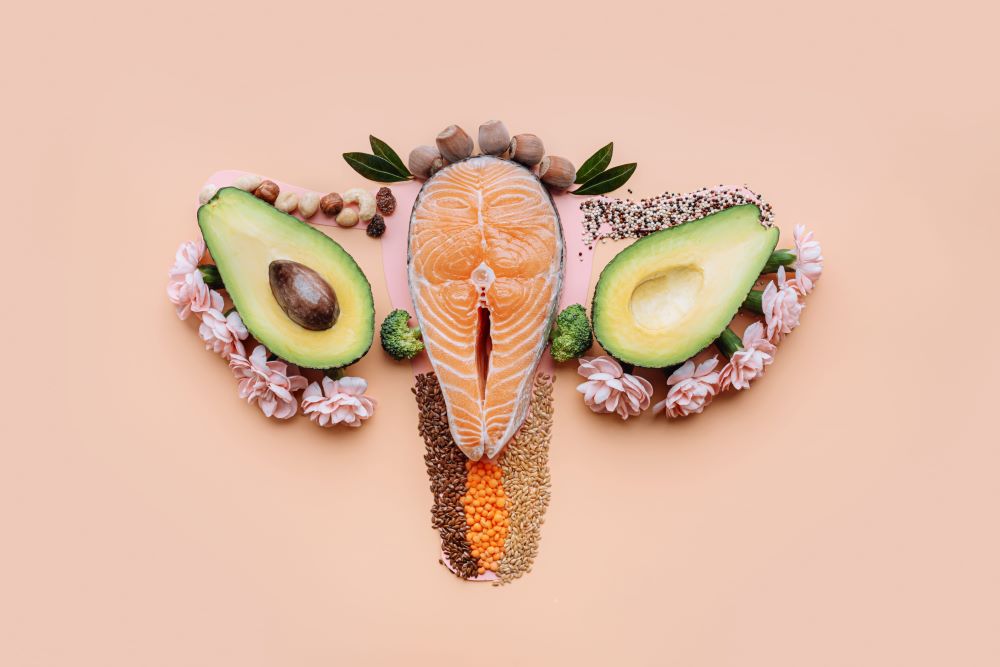
Effective pre-pregnancy preparation should focus on consuming nutritious foods such as leafy green vegetables, eggs, seafood, whole grains, nuts, berries, and avocados to nourish egg cells and prepare the uterine lining for implantation. This should be combined with lifestyle changes such as drinking enough water, maintaining a healthy weight, limiting caffeine and alcohol intake, and consulting a doctor for systematic planning. All of these will help prepare your body for becoming a healthy parent.
Nutrition is a crucial factor in pre-pregnancy preparation, directly contributing to the body’s readiness. In particular, choosing foods that nourish the uterine lining, the vital area where the embryo implants, is essential for a healthy pregnancy.
This article aims to help expectant mothers understand how choosing the right foods can prepare the body for pregnancy, and recommends seven food groups that help nourish the uterine lining, creating a favorable environment for conception.
Why is Nutrition Important When Preparing for Pregnancy?
The nutrients you consume play a vital role in preparing your body for conception for the following reasons:
Source of Raw Materials for Hormone Production
The reproductive system is controlled by various hormones, such as estrogen and progesterone. High-quality nutrients act as the primary raw materials for creating and maintaining hormonal balance, ensuring that the menstrual cycle and ovulation proceed normally.
Enhancing Egg Quality
Egg cells require time to grow and mature. Antioxidants and vitamins from your diet help protect these cells from damage and support the cell division process, ensuring they are in peak condition for fertilization.
Preparing the Uterine Lining for Implantation
Proper nutrition promotes healthy blood circulation, creating a uterine environment that is conducive to the natural attachment and implantation of the embryo.
Building Nutrient Reserves for Growth
Accumulating essential pregnancy vitamins and nutrients, such as folate and iron, ensures the body is ready to support the initial growth of the fetus immediately after fertilization occurs.
What Should You Eat to Conceive? 7 Recommended Foods to Nourish the Uterine Lining
To enhance reproductive efficiency and prepare the internal environment for conception, consider these essential foods:
- Dark Leafy Greens: Vegetables like broccoli, spinach, or kale are rich in folic acid, which is crucial for healthy and complete cell division of the egg. They are also high in iron, which nourishes the blood supply to the uterus.
- Eggs and High-Quality Protein: Eggs are an easily absorbed protein source containing choline, which strengthens reproductive cells. Adequate protein helps the body produce balanced hormones necessary for building a thick, strong uterine lining.
- Cold-Water Fish with Omega-3: Omega-3 fatty acids from salmon or mackerel increase blood flow to the uterus and ovaries while reducing inflammation, making the environment more favorable for embryo adhesion.
- Whole Grains: Brown rice, berry rice, or whole grains help maintain stable blood sugar and insulin levels, which positively impacts ovarian function and keeps ovulation on a natural cycle.
- Nuts and Seeds: Plant-based proteins and healthy fats from soy, almonds, or pumpkin seeds provide Zinc and Vitamin E, key factors in producing quality reproductive cells.
- Berries: Strawberries, blueberries, and raspberries are packed with antioxidants that protect egg cells from free radical damage before fertilization.
- Avocados: A great source of monounsaturated fats and Vitamin E, avocados help nourish and promote the thickening of the endometrial lining, making it ideal for embryo implantation.
Nutrition Guidelines for Those Planning to Conceive Fast
In addition to specific foods, overall eating habits are equally important. Here are the recommended guidelines:
1. Eat a Balanced 5-Group Diet
The core principle is variety. Ensure you receive enough high-quality protein, healthy fats, and complex carbohydrates daily so all bodily systems function efficiently.
2. Increase Vegetables and Fruits
Aim to fill at least half of your plate with colorful fruits and vegetables. For snacks, choose low-sugar fruits over sweets to reduce free radicals and boost your immune system.
3. Stay Hydrated
Drink 6–8 glasses of clean water daily by sipping throughout the day. This helps the circulatory system deliver nutrients to the uterus and maintains proper fluid balance.
4. Reduce Processed Foods, Refined Carbs, and High Sugar
Choose Whole Foods over instant meals. If you crave sugar, eat whole fruits with fiber instead of sugary drinks to keep your insulin levels and hormones stable.
5. Limit Alcohol and Caffeine
Limit caffeine to no more than 200 mg per day (about one cup of coffee) and avoid alcohol as much as possible. For social events, opt for mocktails, fruit juices, or lime-soda to maintain natural hormone secretion.

If you and your spouse are facing infertility or are looking for advice on family planning, such as IVF, ICSI, embryo freezing, or embryo genetic screening (PGT-A), or if you have questions about where to freeze your eggs, Bangkok IVF Clinic (BIC), as a specialized obstetrics and fertility clinic offering infertility consultations, is happy to serve and care for you in the role of “Fertility Planner.”
BIC’s doctors are ready to provide comprehensive information, including egg freezing plans, costs, and various treatment procedures. They help design a treatment plan that suits each couple’s life stage and emphasize a suitable timeline to prepare you for becoming parents, all under the close supervision and discretion of the doctors.
For more information or to schedule a consultation:
- Phone: +(66) 02-933-1584 to 6
- WhatsApp: @Bangkokivfclinic
References
- 16 Natural Ways to Boost Fertility. Retrieved March 19, 2026, from https://www.healthline.com/nutrition/16-fertility-tips-to-get-pregnant.
- Diet and Fertility: A Review. Retrieved March 19, 2026, from https://pmc.ncbi.nlm.nih.gov/articles/PMC5826784/.


Frequently Asked Questions (FAQs) about Pregnancy Preparation
Besides dietary adjustments, are there other ways to make conception easier?
Maintaining a healthy weight and getting enough sleep are crucial for maintaining hormonal balance. Additionally, tracking ovulation days in conjunction with nutritional care is recommended to ensure the body is fully prepared.
For couples experiencing difficulty conceiving, what foods are recommended to improve egg quality?
We recommend foods high in antioxidants, Coenzyme Q10, and prenatal vitamins. These help protect egg cells from deterioration and promote better reproductive cell health.
Do uterine tonics or herbs actually thicken the uterine lining?
Uterine tonics or herbs without supporting research may affect hormonal balance. It’s recommended to consult a doctor for appropriate and safe vitamins to promote uterine lining thickness.
If planning to have children, what are the fastest ways to conceive?
The fastest way to conceive is to consult a reproductive health specialist to check the readiness of both the male and female partners. This will help identify potential obstacles and create a targeted treatment plan suitable for each couple.