Many women may feel confused and anxious when their periods are irregular, they gain weight easily, or they have been trying to conceive for a long time without success, until they are finally diagnosed with PCOS (Polycystic Ovarian Syndrome). This immediately raises the questions, “Can PCOS be cured?” and “Will I still have a chance to get pregnant like everyone else?”
However, having a low AMH level does not mean that pregnancy is impossible. This article will help you understand what the AMH hormone is, what the normal range should be, the causes of low AMH, and the ways to manage and treat it to increase your chances of having a baby.
What is the AMH Hormone?
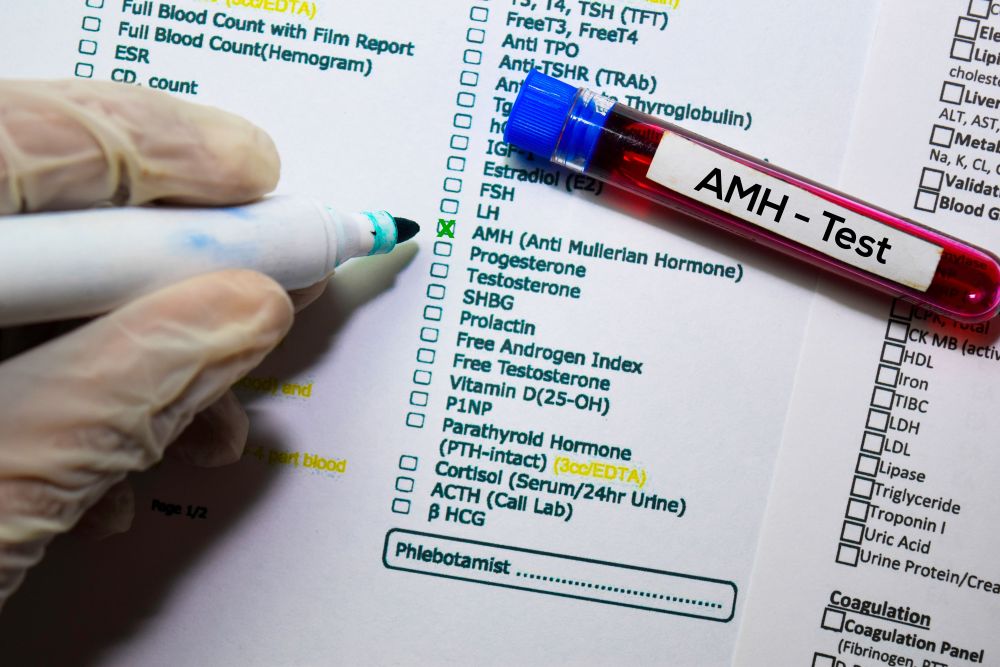
The Anti-Müllerian Hormone (AMH) is produced by the granulosa cells in the ovarian follicles where eggs develop. Therefore, high or low AMH levels serve as an indicator of the ovarian reserve (the remaining egg supply). A low AMH level suggests a decreased quantity of eggs, which is a common sign of infertility.
What is a Normal AMH Level?
Standard AMH values vary by age and physical condition, but they can generally be categorized as follows:
- Over 4.0 ng/ml: Represents a high AMH level, often found in individuals with Polycystic Ovary Syndrome (PCOS).
- 1.5 – 4.0 ng/ml: A normal AMH range, indicating a sufficient egg supply for pregnancy.
- 0.5 – 1.5 ng/ml: Below average, reflecting a declining egg count and potentially lower egg quality.
- Less than 0.5 ng/ml: Indicates a very low AMH level, a high risk of infertility, and diminished ovarian reserve.
Causes of Low AMH Levels
Several factors contribute to a decrease in AMH levels; some are controllable, while others occur naturally:
- Increasing Age: As women pass the age of 35, the quantity of eggs in the ovaries continuously decreases, and egg quality typically declines as well.
- Genetics: Some individuals are born with naturally low AMH levels due to hereditary factors or family-related abnormalities.
- Medical Conditions or Ovarian Surgery: Conditions such as ovarian cysts, tumors, or surgeries involving the ovaries can damage ovarian tissue, leading to a drop in AMH.
- Lifestyle and Environment: Smoking, alcohol consumption, lack of sleep, or exposure to certain toxins can all negatively impact ovarian function and egg quality.
How Does Low AMH Affect Pregnancy Chances?
Low AMH does not mean a woman can never get pregnant. However, it reflects that the remaining egg supply is low and quality may be diminished, which reduces the chances of natural conception—especially in women aged 35 and older.
For couples struggling to conceive, a low AMH result is a signal to seek a further evaluation from a fertility specialist. The sooner a treatment plan is established, the higher the likelihood of a successful pregnancy.
How to Manage Low AMH Levels: A Guide to Your Options
While a low AMH level can be a cause for concern, there are several ways women can still achieve a successful pregnancy.
Consult a Specialist
A reproductive endocrinologist or fertility specialist can help evaluate the underlying causes and create a personalized treatment plan tailored to your specific needs.
Adopt a Healthy Lifestyle
Maintaining a healthy lifestyle can help slow the decline of ovarian reserve and improve egg quality. This includes:
- Regular Exercise: Staying active to support overall health.
- Nutritious Diet: Focusing on balanced, fertility-friendly foods.
- Avoiding Toxins: Quitting smoking and limiting alcohol consumption.
- Adequate Rest: Ensuring you get enough sleep for hormonal balance.
Egg Freezing
If you are not ready to have a child right now, egg freezing at a younger age is a proactive way to preserve your current egg potential. Since AMH levels naturally decline with age, freezing eggs early secures your future options.
Assisted Reproductive Technology (ART)
If natural conception is proving difficult, technologies such as IVF (In Vitro Fertilization) or ICSI (Intracytoplasmic Sperm Injection) can significantly increase the chances of pregnancy.
IVF: Hope for Those with Low AMH
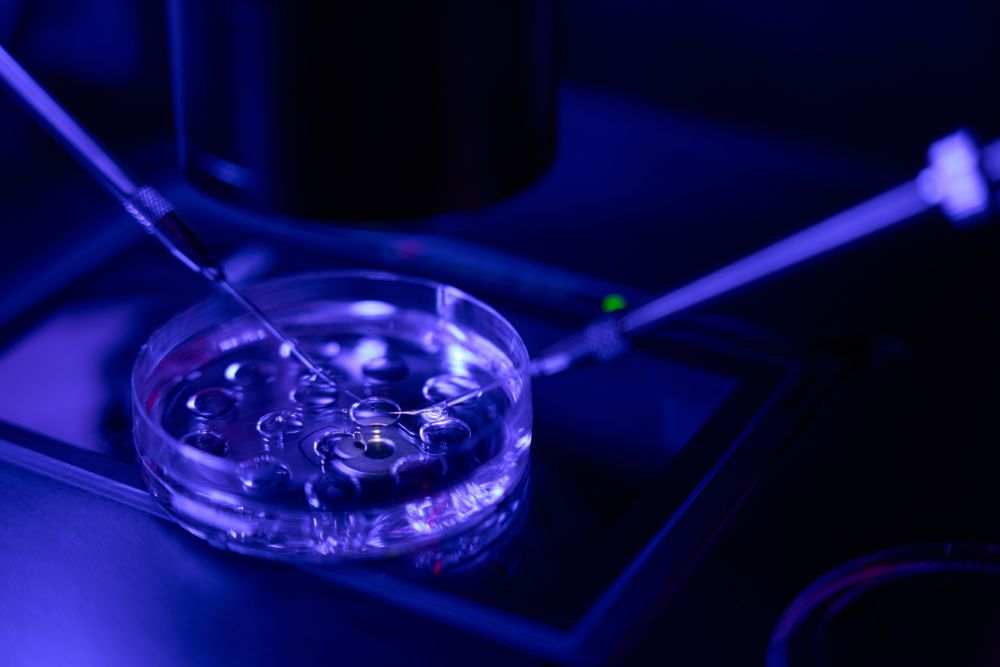
IVF is a primary solution for women with low AMH levels. Even when the ovarian reserve is limited, specialists can stimulate the ovaries to produce quality eggs. These eggs are then fertilized with sperm in a laboratory setting, and the healthiest embryos are selected for transfer back into the uterus.
The Advantage of IVF: Even if the quantity of eggs is low, IVF focuses on maximizing quality. Through meticulous laboratory cultivation and embryo selection, the probability of a successful pregnancy remains high.
Take the Next Step Toward Parenthood
If you are facing challenges with low AMH and are concerned about infertility, we recommend consulting with the specialists at Bangkok IVF Clinic (BIC).
Our fertility experts utilize advanced reproductive technologies (IVF and ICSI) to support you through every step: from ovarian stimulation and egg retrieval to embryo culture, chromosomal testing, and embryo transfer. We are here to help you reach your goal of starting a family.
For more information:
- Tel: +(66)02-933-1584 to 6
- Line@: @Bangkokivfclinic
References:
- Anti-Mullerian Hormone Test. (Retrieved Sept 30, 2025) from Cleveland Clinic. https://my.clevelandclinic.org/health/diagnostics/22681-anti-mullerian-hormone-test
- Anti-Mullerian Hormone and Fertility Treatment Decisions in Polycystic Ovary Syndrome: A Literature Review. (Retrieved Sept 30, 2025) from PubMed Central. https://pmc.ncbi.nlm.nih.gov/articles/PMC11041323/