Key Summary
The success of IVF depends significantly on “timing” and “physical readiness,” especially the woman’s age, which directly affects egg cell quality. However, proper nutritional preparation, choosing the right technology (IVF or ICSI), including PGT-A chromosome testing and early consultation with a specialist, can help design and plan a targeted treatment, increasing the chances of successfully creating a family.
Deciding to undergo infertility treatment using IVF (In Vitro Fertilization) or ICSI (Intracytoplasmic Sperm Injection) is a significant step for couples wishing to start a family. However, one of the most frequently asked questions affecting planning is: what are the chances of success?
A medical reality is that the success rates of both IVF and ICSI are not the same for all couples. Biological and lifestyle factors play a role, particularly the woman’s age, a key variable determining the quality and quantity of egg cells. This article will delve into the statistics of success rates.
Understanding the IVF and ICSI Processes for Future Pregnancy Chances
In natural pregnancy, healthy couples of reproductive age (under 30) have only about a 20-25% chance of conceiving per cycle. However, with assisted reproductive technologies, the success rate of IVF and ICSI is often much higher due to the screening process of normal, high-quality embryos before implantation in the uterus.
Nevertheless, this success rate gradually decreases with age due to natural changes in physical condition and reproductive system efficiency.
IVF/ICSI Success Rates: A Deep Dive by Age Group
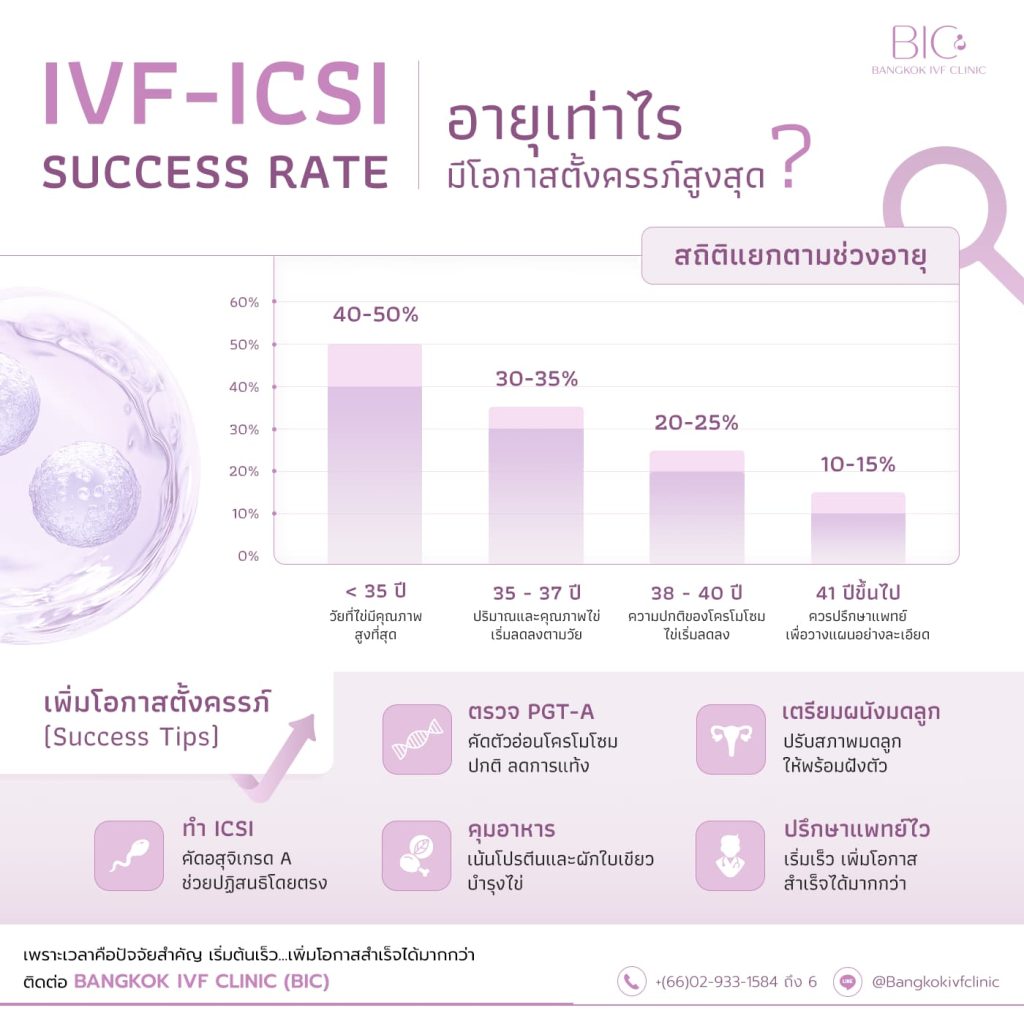
Generally, the success rates for both IVF and ICSI vary significantly based on the woman’s age as follows:
- Women under 35: This group has the highest success rate, averaging 40–50%, as most oocytes still maintain high genetic normalcy.
- Women aged 35–37: Success rates begin to decline to approximately 30–35% as egg quantity and quality decrease.
- Women aged 38–40: The average chance of pregnancy is 20–25% due to an increased risk of chromosomal abnormalities in the eggs.
- Women aged 41–42 and older: Success rates may fall to 10–15% or lower, depending on individual factors and response to medication during treatment.
Factors Affecting Success Rates Beyond Age
While age is a primary driver, other supporting factors significantly influence the chances of a successful pregnancy:
- Sperm Quality: If the male partner has weak or low-quality sperm, ICSI directly addresses this by selecting the healthiest single sperm to fertilize the egg.
- Uterine Health: An ideal uterine environment, including an appropriate endometrial thickness and the absence of fibroids or adhesions, ensures more effective embryo implantation.
- Lifestyle and Nutrition: Adjusting dietary habits to nourish the uterus, maintaining a healthy BMI, and avoiding free radicals from cigarettes and alcohol help improve the quality of reproductive cells.
- Laboratory Expertise: The quality of embryo culture equipment and chromosomal screening technology is vital in selecting the strongest embryos to maximize pregnancy chances.
Ways to Increase Your Chances of Pregnancy
To maximize treatment effectiveness, physicians often recommend the following additional strategies:
- Chromosomal Screening (PGT-A): Helps select embryos with a normal number of chromosomes, reducing the risk of miscarriage and implantation failure.
- Endometrial Preparation: Strictly following a medically supervised medication regimen to prepare the uterine lining for embryo adhesion on the most optimal day.
- Targeted Diagnosis: Conducting a thorough infertility analysis for both partners before starting the process to select the specific techniques that best match the couple’s physical condition.
The success rates of IVF and ICSI clearly demonstrate that “Time” is the most critical factor. If you are planning to have children and begin to encounter fertility issues, seeking a consultation early will result in a higher chance of success and reduce the complexity of the treatment required.
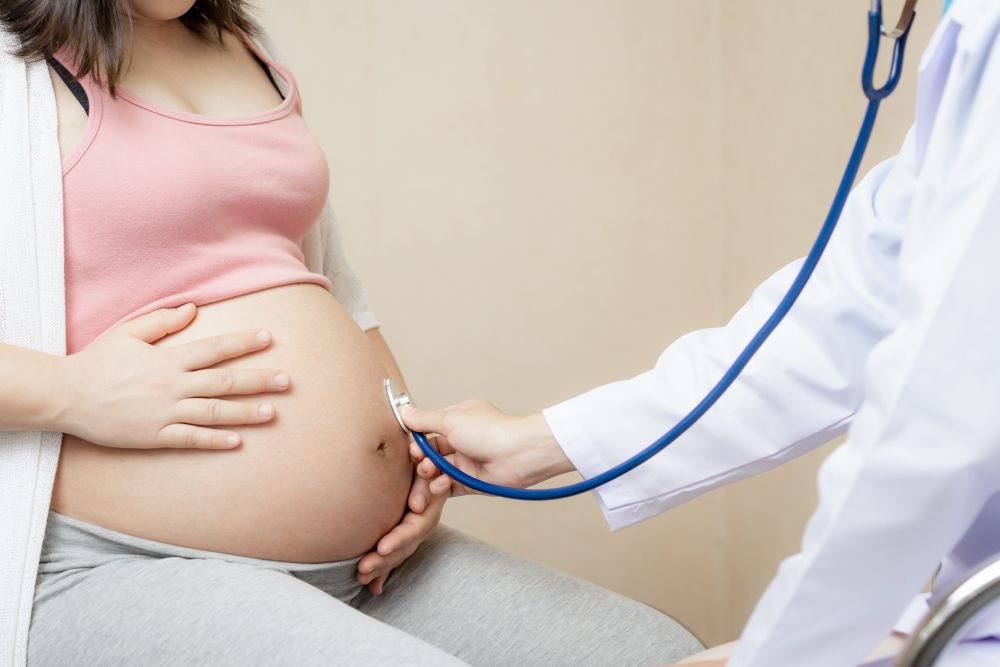
Get Ready to Increase Your Chances of Pregnancy Under Medical Care
For couples still undecided on where to begin their IVF journey, the most important factors are choosing a medical center with standardized laboratory facilities and specialists in reproductive medicine. This ensures that treatment planning is systematic and tailored to the specific physical conditions of each individual.
If you are looking for a fertility consultation clinic in Bangkok to evaluate your success rates and create a detailed treatment plan, Bangkok IVF Clinic (BIC) is ready to serve as your “Fertility Planner.” Our physicians provide expert advice on ICSI and IVF technologies, helping to design a treatment path that aligns with your life stage, ensuring all preparations are appropriate under professional medical discretion.
For more information or to schedule a consultation:
Phone: +(66) 02-933-1584 to 6
WhatsApp:@Bangkokivfclinic
References
- In Vitro Fertilization (IVF). Retrieved April 17, 2026. From: https://www.healthline.com/health/in-vitro-fertilization-ivf.
- ICSI Does Not Improve Live Birth Rates but Yields Higher Cancellation Rates Than Conventional IVF in Unexplained Infertility. Retrieved April 17, 2026. From: https://pmc.ncbi.nlm.nih.gov/articles/PMC7902793/.
- All you need to know about IVF. Retrieved April 17, 2026. From: https://www.medicalnewstoday.com/articles/262798.
- Guide to IVF Success: Lifestyle, Medications, and More. Retrieved April 17, 2026. From: https://www.healthline.com/health/guide-prepare-for-ivf.


Frequently Asked Questions About IVF Success Rates and Preparation (FAQs)
Q: How much does Preimplantation Genetic Testing (PGT-A) help increase the chances of pregnancy?
A: PGT-A helps in selecting embryos with a normal number of chromosomes before transferring them back into the uterus. This results in a higher implantation rate per transfer and significantly reduces the risk of miscarriage caused by chromosomal abnormalities.
Q: If a first IVF cycle fails, will the chances of success decrease in the next attempt?
A: A failure in the first cycle does not necessarily mean your future chances are lower. Physicians will analyze the data from the initial round to identify specific causes and refine the treatment plan to better suit the couple’s physical condition in the new cycle.
Q: How does a Frozen Embryo Transfer (FET) differ from a Fresh Embryo Transfer?
A: A frozen embryo transfer allows the physician more time to prepare the uterine lining and wait for the body’s hormone levels to return to their most balanced state. In many cases, this controlled environment leads to better embryo implantation rates compared to a fresh transfer.
Q: Does stress directly impact IVF/ICSI success rates?
A: While stress is not the primary factor, chronic anxiety and lack of rest can affect hormonal balance and how the body responds to treatment. Therefore, maintaining a relaxed mental state is a vital part of the preparation process.