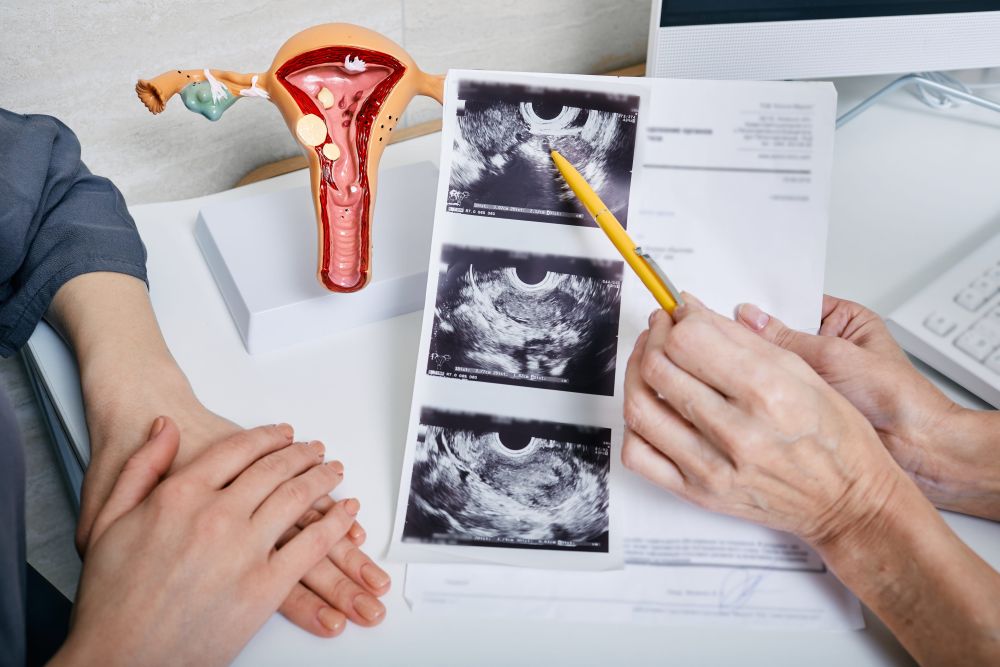
Summary of Key Points:
Uterine ultrasound is a crucial step in assessing the readiness of the female reproductive system. It helps detect abnormalities in the uterus and ovaries, such as ovarian cysts or uterine fibroids. This examination also allows doctors to monitor egg growth during IVF or ICSI processes, and check the readiness of the uterine lining for embryo transfer. Furthermore, ultrasound can improve the chances of pregnancy by helping to determine the most suitable treatment method for each individual.
For couples planning to conceive or undergoing infertility testing, uterine ultrasound is a vital step in providing a detailed assessment of the female reproductive system. This short examination can visualize the condition of the uterus and ovaries, and any abnormalities that may directly affect pregnancy chances. It also enables doctors to accurately plan infertility treatment, particularly in IVF and ICSI procedures.
This article will explain how uterine ultrasound improves pregnancy chances, when it should be performed, what tests are included, and its role in current infertility treatment planning.
1. What is an Uterine Ultrasound and What Does It Examine?
An uterine ultrasound is a diagnostic procedure that uses high-frequency sound waves to create images of the internal pelvic organs. It is radiation-free, making it safe for both pregnant women and those planning to conceive. This examination allows doctors to evaluate several key components of the female reproductive system, including:
- Uterine Shape and Size: Identifying abnormalities in size or shape that might affect embryo implantation, such as a tilted (retroverted) uterus or a septate uterus (divided by a wall of tissue).
- Endometrial Thickness: Since the lining of the uterus (endometrium) is crucial for implantation, the ultrasound helps determine if the lining is thick enough to support an embryo.
- Ovaries and Antral Follicle Count: This allows doctors to assess the “ovarian reserve” (the remaining egg supply), which is vital for planning fertility treatments like IVF or ICSI.
Because it is painless and non-invasive, ultrasound is considered a fundamental and safe tool for monitoring female reproductive health.
2. Why Are Ovarian and Uterine Ultrasounds Important for Conceiving?
Uterine ultrasounds enable doctors to detect underlying issues that may not present any external symptoms. Conditions such as ovarian cysts, uterine fibroids, or endometrial abnormalities can significantly hinder the chances of pregnancy.
Common Abnormalities Detected via Ultrasound:
- Polycystic Ovary Syndrome (PCOS): A condition that often causes irregular ovulation and is a leading cause of infertility.
- Uterine Fibroids: These can interfere with the embryo’s ability to implant successfully in the uterine wall.
- Endometrial Abnormalities: Issues with the lining can prevent implantation from occurring altogether.
By identifying these issues early, doctors can create a targeted treatment plan, helping patients avoid unnecessary delays and frustration in their journey to conceive.
3. How is Ultrasound Used in Infertility Diagnosis and Treatment?
Ultrasounds of the uterus and ovaries play a critical role in evaluating fertility. They provide the precision needed to select the most appropriate treatment for each individual. The following are the stages where ultrasound is utilized:
3.1 Preliminary Screening Before Planning a Pregnancy
Initially, an ultrasound is used to assess the overall health of the uterus and ovaries. It helps identify obstacles such as uterine malformations, hydrosalpinx (fluid-blocked fallopian tubes), or endometrial issues. Detecting these early ensures a more accurate treatment strategy.
3.2 Pre-Treatment Evaluation (Before and During IVF/ICSI)
Before starting IVF or ICSI, scans are used to check the ovaries’ readiness to produce eggs and to ensure the endometrial lining is prepared for embryo transfer. This allows the medical team to customize the treatment protocol based on the patient’s specific physical response.
3.3 Monitoring During Treatment
In treatments involving ovarian stimulation (like IVF/ICSI), ultrasounds are used to track how the ovaries are responding to stimulation medications. Doctors monitor follicle growth and the thickness of the uterine lining to ensure the environment is optimal for receiving an embryo.
3.4 Guiding Treatment Decisions
Ultrasound results help doctors decide the best method for egg stimulation or whether to adjust the treatment cycle. For example, if the uterine lining is not ready or the ovarian response is unexpected, the doctor may recommend freezing the eggs or embryos for a later, more favorable transfer date.

4. The Role of Ultrasound in IVF and ICSI Procedures
IVF and ICSI treatments rely on high-precision assessments to maximize success rates. Uterine and ovarian ultrasounds are indispensable tools in these processes, allowing doctors to monitor egg development and uterine readiness every step of the way.
- Monitoring Follicle Growth: During the ovarian stimulation phase of IVF or ICSI, doctors use ultrasound to track the growth of follicles. After administering hormonal medications, this monitoring informs the doctor whether the eggs are maturing and ready for retrieval. It also allows for real-time adjustments to hormone dosages to ensure the highest quality of eggs.
- Assessing Endometrial Readiness: Before an embryo transfer, an ultrasound is performed to evaluate the thickness of the uterine lining (endometrium), which is a critical factor for successful implantation. If the lining is too thin or if issues like intrauterine adhesions (scar tissue) are detected, the treatment plan may be adjusted to improve the chances of a successful pregnancy.
5. Who Should Get a Uterine Ultrasound?
Uterine and ovarian ultrasounds are not exclusively for those facing infertility; they are also highly recommended for individuals preparing for pregnancy or those experiencing specific reproductive symptoms. Those who should consider an ultrasound include:
- Couples Struggling to Conceive: For couples who have been trying to conceive without success, an ultrasound can help identify root causes such as uterine structural abnormalities, PCOS, or fibroids that may be preventing pregnancy.
- Women with Irregular Periods or Chronic Pelvic Pain: If you experience irregular menstrual cycles or persistent pelvic pain, an ultrasound can detect underlying issues like tumors or uterine abnormalities that could affect your fertility.
- Individuals with a History of Miscarriage or Infertility: For those who have experienced pregnancy loss or have a known history of infertility, ultrasound imaging provides a clear view of the internal environment to identify any abnormalities that might impact future pregnancies.
- Those Planning to Visit a Fertility Clinic: If you are planning to seek professional fertility help, an ultrasound is a vital preliminary step. It provides the medical team with the essential data needed to assess your readiness and design a treatment plan tailored to your health.
Uterine ultrasound is a fundamental tool in family planning and a key step in infertility screening. It provides the critical insights needed to increase your chances of starting a family.
Consult the Experts at Bangkok IVF Clinic (BIC Clinic)
At Bangkok IVF Clinic (BIC Clinic), a specialized obstetrics and fertility center, we do more than just treat infertility—we are your partners in family planning. We provide guidance on the best timing for treatment to help you achieve your goals. Our comprehensive services include reproductive diagnostic imaging, infertility assessments, and advanced technologies such as IVF, ICSI, egg freezing, and embryo cryopreservation.
Contact our fertility specialists today for a consultation.
For more information or to schedule a consultation:
- Phone: +(66) 02-933-1584 to 6
- WhatsApp: @Bangkokivfclinic
References
- Sonography Gynecology Infertility Assessment, Protocols, and Interpretation. Retrieved February 10, 2026, from https://www.ncbi.nlm.nih.gov/books/NBK572093/
- Practical Gynaecological Ultrasound: Ultrasound and fertility. Retrieved February 10, 2026, from https://www.cambridge.org/core/books/abs/practical-gynaecological-ultrasound/ultrasound-and-fertility/0282CF9A13C90428893DFCFA359055D0/


Frequently Asked Questions About Uterine Ultrasound (FAQs)
Q: Does a uterine ultrasound hurt?
A: A uterine ultrasound is not painful. While the procedure is typically performed transvaginally and may cause slight discomfort or a sensation of pressure, it should not cause pain.
Q: When is the best time during the menstrual cycle to have a uterine ultrasound?
A: For the most accurate assessment of the uterus and ovaries, the scan is usually performed during specific windows of a regular menstrual cycle—typically on Days 2–3 or Days 10–12. This timing allows the doctor to precisely evaluate uterine readiness and follicle development.
Q: Is an ultrasound alone enough to diagnose infertility?
A: While ultrasound is a vital tool for evaluating the condition of the uterus and ovaries, it is only one part of the puzzle. A comprehensive infertility diagnosis usually requires additional tests, such as blood work to check hormone levels.
Q: How should I prepare for a uterine ultrasound?
A: Preparation is simple. It is recommended to wear comfortable, easy-to-remove clothing and be ready to discuss your medical history with your doctor. Specific instructions regarding a full or empty bladder may be provided depending on the type of scan.