Many couples spend years trying to conceive without success despite their best efforts. One important cause that is often overlooked is blocked fallopian tubes: when tubes are blocked, egg and sperm cannot meet naturally, and dreams of parenthood can feel uncertain.
If you are worried about what causes tubal blockage and whether you can still have children, this article explains the condition clearly and outlines options that may fit your path to becoming parents.
What are blocked fallopian tubes?
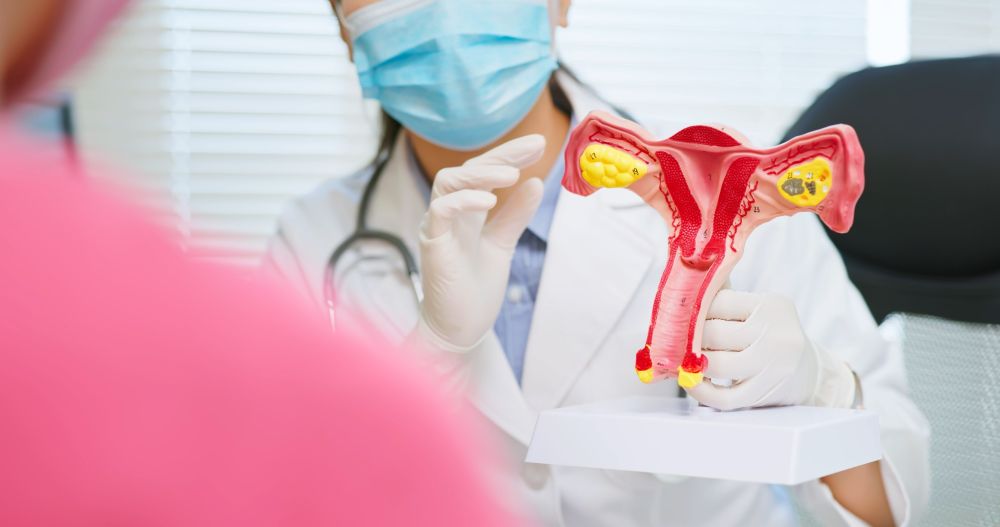
Blocked fallopian tubes mean the tubes that connect the ovaries to the uterus are obstructed, so egg and sperm cannot meet easily—or at all—and embryo transport to the uterus is impaired. This is a major reason natural pregnancy rates drop sharply.
What causes blocked fallopian tubes?
Causes are varied and often involve inflammation, adhesions, or tubal damage. Common ones include:
Pelvic inflammatory disease (PID)
Sexually transmitted infections such as chlamydia or gonorrhoea can inflame the tubes; chronic inflammation may lead to scarring and narrowing or blockage.
Endometriosis
Tissue similar to the uterine lining grows outside the uterus, causing chronic inflammation around the tubes. Over time, adhesions can narrow or block them.
Prior pelvic surgery
Lower abdominal surgery—such as for ovarian cysts, caesarean section, or other pelvic procedures—can form scar tissue near the tubes and affect their function.
History of ectopic pregnancy
A past ectopic pregnancy in a fallopian tube can damage the tube; surgery and later scarring may raise the risk of recurrent blockage.
Other causes
Tubes may also be blocked by congenital anomalies, masses pressing on the tubes, or chronic inflammation from other conditions.

What are the symptoms or warning signs?
Blocked tubes often cause no clear symptoms. Still, some signs warrant attention:
Infertility
Infertility is the most common presentation: when tubes are blocked, egg and sperm cannot meet, so natural conception is unlikely or very difficult.
Lower abdominal pain
Some women have chronic lower abdominal pain, especially around periods, which may relate to endometriosis or PID—important causes of blockage.
Abnormal discharge
Occasionally there is watery brown discharge from the vagina. It is not always present but should prompt medical evaluation.
Risk history
A history of STIs, pelvic surgery, or related health issues should lead to screening, as these raise the chance of tubal blockage.
Can blocked fallopian tubes clear on their own?
Blocked fallopian tubes do not usually resolve on their own. Blockage is often due to adhesions or structural change that the body cannot reverse naturally. Proper diagnosis and treatment are needed; untreated blockage can increase risks such as ectopic pregnancy if fertilisation occurs inside the tube.
Can you still have a baby with blocked tubes?
Yes, there are still options. Although natural conception may be unlikely, modern fertility treatments can help, for example:
- Surgery to open or repair the tubes may suit partial or less severe blockage
- In vitro fertilisation (IVF)—eggs and sperm are combined in the lab, embryos are cultured, then transferred to the uterus
- ICSI (Intracytoplasmic Sperm Injection), an IVF technique where a single sperm is injected into an egg—often used when sperm quality is poor (low count, poor motility, or abnormal shape) to improve fertilisation rates
If you or your partner have blocked tubes or trouble conceiving, Bangkok IVF Clinic (BIC)—a Bangkok fertility clinic—offers consultation under Dr. Wiwat Chinpilas, a fertility specialist with more than 30 years of experience, supported by a caring medical and nursing team.
BIC provides many treatment options—ovulation induction, egg freezing, IVF, and PGT-A—so each couple receives a plan suited to their situation, including complex cases or prior sterilisation.
For more information
- Phone: +(66)02-933-1584 to 6
- Line@: @Bangkokivfclinic
References
- What You Should Know About Blocked Fallopian Tubes. Accessed September 30, 2025, from https://www.healthline.com/health/womens-health/blocked-fallopian-tubes.