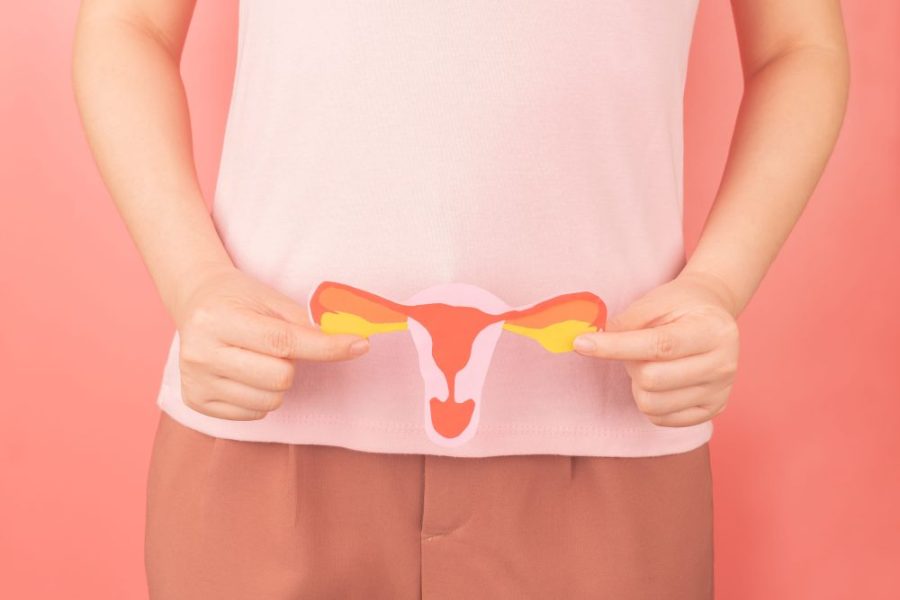
After fertility treatment with assisted reproduction—whether IVF or ICSI—many people find the period after embryo transfer the hardest: hope and worry together. You may keep asking, “What should I do next?” or “How many days until implantation?” while watching every body sign—sometimes creating stress without realising it.
Understanding sensible aftercare during this phase is an important step toward improving pregnancy chances.
What is embryo transfer?
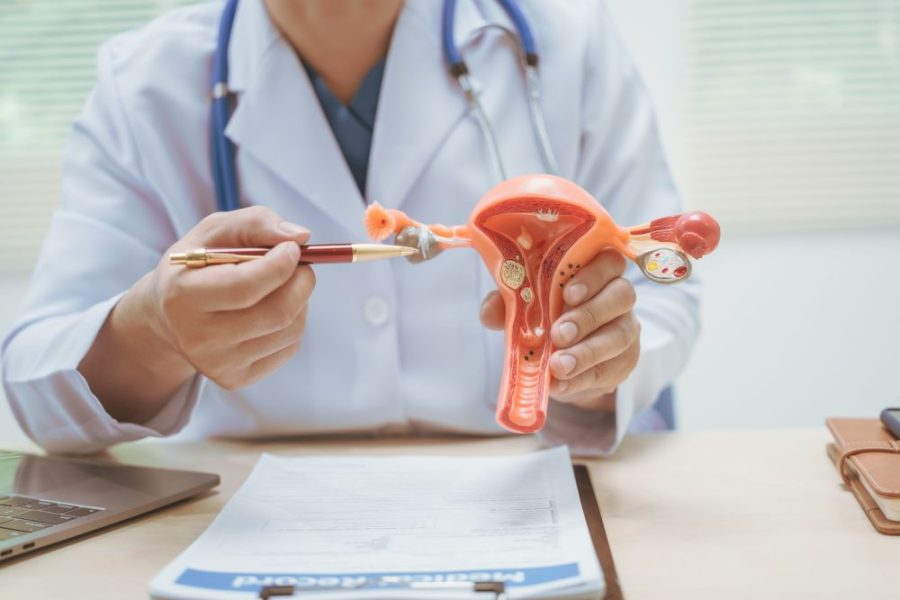
Embryo transfer is a key step in fertility treatment. After eggs and sperm are fertilised in the lab, the doctor selects the best-quality embryo(s) and places them into the uterus through a thin, flexible catheter. The procedure is short but must be gentle and precise. It is the final stage of IVF or ICSI that couples look forward to—the starting point of the journey toward pregnancy.
How many days after transfer does implantation occur?
In general, the embryo needs about 1–2 days to move and find a suitable site in the uterine cavity, then gradually implants and grows in the endometrium. Timing and success depend on several factors, including:
- Embryo quality—better embryos are more likely to implant
- Hormone levels, especially progesterone, which helps prepare the endometrium for implantation
- The uterine environment—a thick, healthy lining without large polyps or inflammation supports implantation
During this time, staying healthy and relaxed matters so the uterine environment is as receptive as possible.
Common symptoms after embryo transfer
Symptoms vary, but some are common and often relate to hormonal changes, including:
Light spotting
This often occurs within about 6–12 days after transfer as the embryo begins to embed in the endometrium. Bleeding is usually light, pink or brown, and unlike a heavier menstrual period.
Lower abdominal cramping
This can feel like premenstrual discomfort as blood flow to the uterus increases and the uterus adapts to support implantation.
Breast tenderness or soreness
Rising progesterone and oestrogen naturally prepare the body for possible pregnancy.
Fatigue or mood swings
Higher hormone levels can affect the nervous system and energy, causing tiredness, mood changes, or feeling more sensitive than usual.
Even with these signs, they do not confirm pregnancy. The appropriate next step is to wait for the blood test on the date your doctor scheduled.
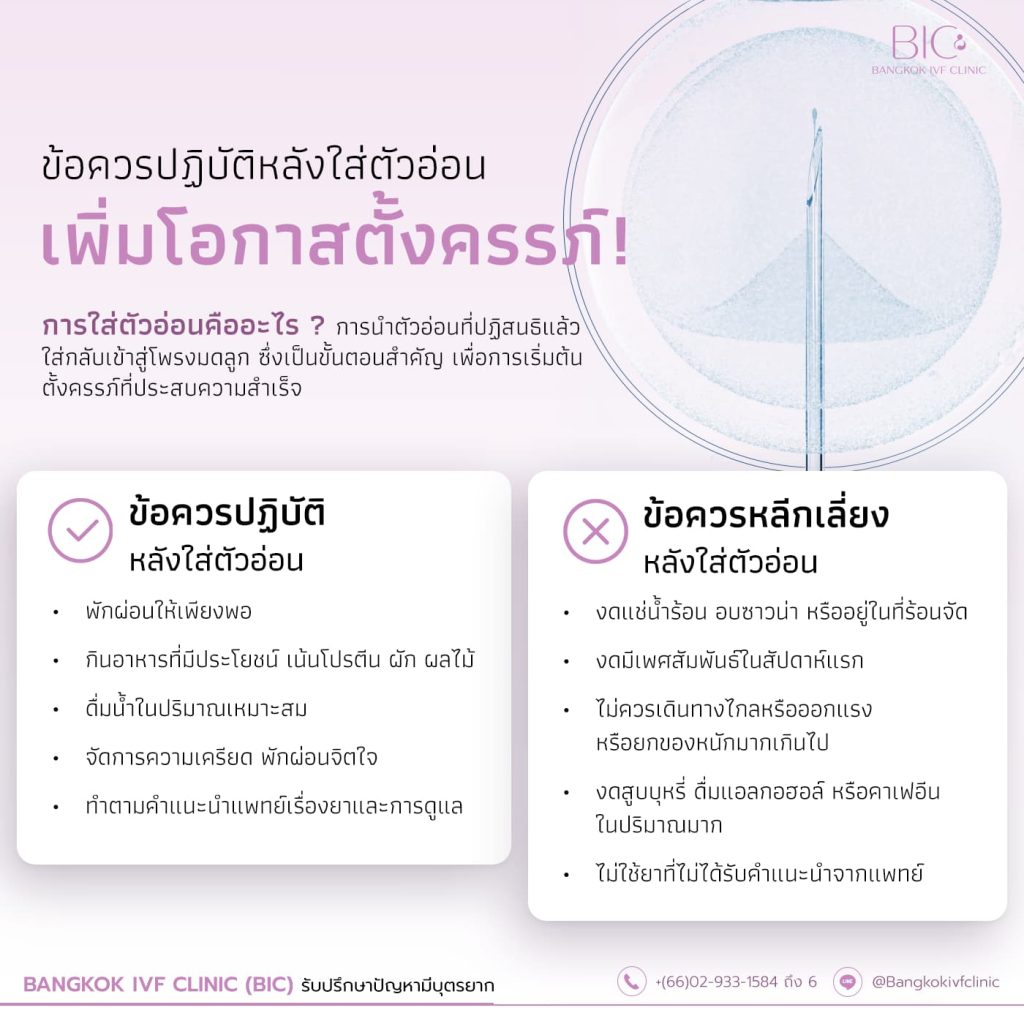
5 things to do after embryo transfer
To give your body the best chance for implantation, focus on physical and emotional self-care. Common recommendations include:
1. Get enough rest
You do not need strict bed rest, but avoid heavy exertion so your body can recover and hormones stay balanced.
2. Eat a nutritious diet
Choosing healthy foods matters: lean proteins such as fish and chicken, legumes, and plenty of fruit and vegetables for vitamins and minerals. Avoid heavily processed or questionable food hygiene, which can upset digestion and hormone balance.
3. Drink enough water
Water supports overall balance and circulation. Staying hydrated can reduce fatigue and help you feel better.
4. Manage stress
A calm state supports hormone function. If you feel anxious, try gentle relaxation—music, slow walks, or mindfulness—to balance mind and body.
5. Follow your doctor’s instructions strictly
Especially luteal support medications, which are important for implantation. Do not stop or change doses on your own, as this can harm your chances of pregnancy.

What to avoid after embryo transfer
Some habits or activities can affect implantation. Knowing them in advance reduces risk.
1. Avoid excessive heat
Hot baths, saunas, or prolonged exposure to very high heat can raise core temperature, which is not ideal for implantation and may affect hormones and uterine blood flow. Lukewarm showers are preferable.
2. Avoid intercourse early on
Intercourse is not always forbidden, but many clinics advise avoiding it in the first week after transfer because uterine contractions may affect implantation.
3. Avoid long trips or strenuous activity
Travel that causes fatigue—long car rides or flights soon after transfer—or vigorous exercise that tenses the abdomen and pelvis may not be ideal for implantation.
4. Avoid smoking, alcohol, and excess caffeine
These can directly affect endometrial quality and hormone balance and may lower implantation chances.
5. Do not take medicines not approved by your doctor
Some drugs affect hormones or processes related to implantation. If you feel unwell, ask your doctor before taking anything—do not self-medicate.
If you are planning for a child but are unsure where to start, Bangkok IVF Clinic (BIC) offers infertility consultations under Dr. Wiwat Chinpilas, a fertility specialist with more than 30 years of experience. Embryo transfer—or what embryo transfer means in your treatment plan—is an important milestone toward pregnancy.
BIC provides assessment, diagnosis, and infertility care with appropriate technology for each patient, including IVF, ICSI, and embryo genetic screening (PGT-A), in a licensed facility approved by the Ministry of Public Health, so you are supported at every step.
For more information or to book a consultation
- Phone: +(66)02-933-1584 to 6
- Line@: @Bangkokivfclinic
References
- 5 Things to Do – and 3 Things to Avoid – After Your Embryo Transfer. Accessed October 1, 2025, from https://www.healthline.com/health/infertility/after-embryo-transfer-precautions.