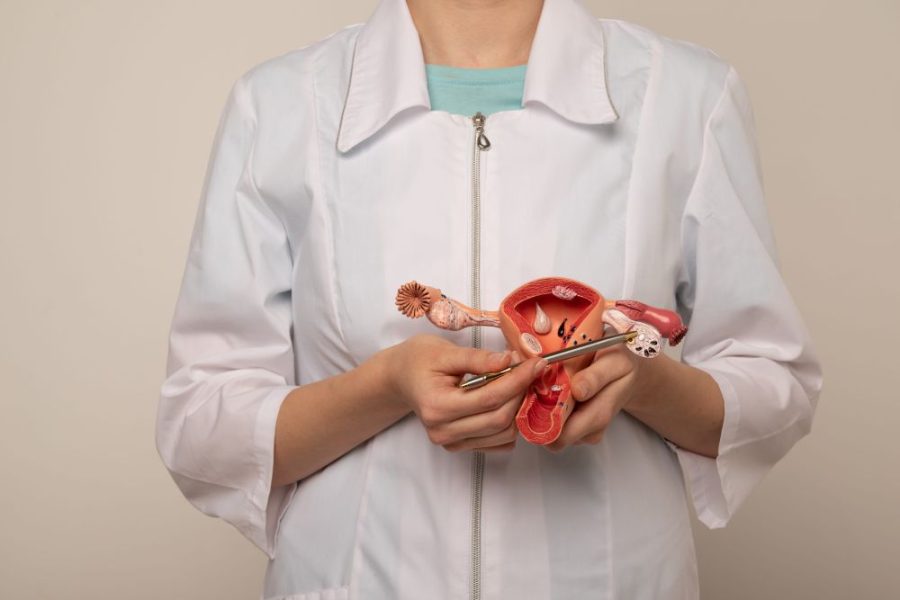
Many couples trying to conceive wonder what ovulation is or which day they ovulate. Understanding how the female body works is key to improving the odds of having a child—whether you are trying naturally or using assisted reproduction such as IVF and ICSI. This article explains ovulation, the best timing, and factors that affect it, so family planning can feel more confident.
1. What is ovulation?
Ovulation is the process in which the ovary releases a mature egg about once a month in women with regular cycles. After ovulation, the egg moves into the fallopian tube to await fertilisation by sperm. It is driven by the hormones FSH and LH, which directly control follicle development and ovulation.
If intercourse occurs around that time and healthy sperm meet the released egg, fertilisation can occur and development may continue toward an embryo in the uterine cavity. Knowing what ovulation is therefore underpins planning for pregnancy.
2. Which day is ovulation, and why does the fertile window matter for people trying to conceive?
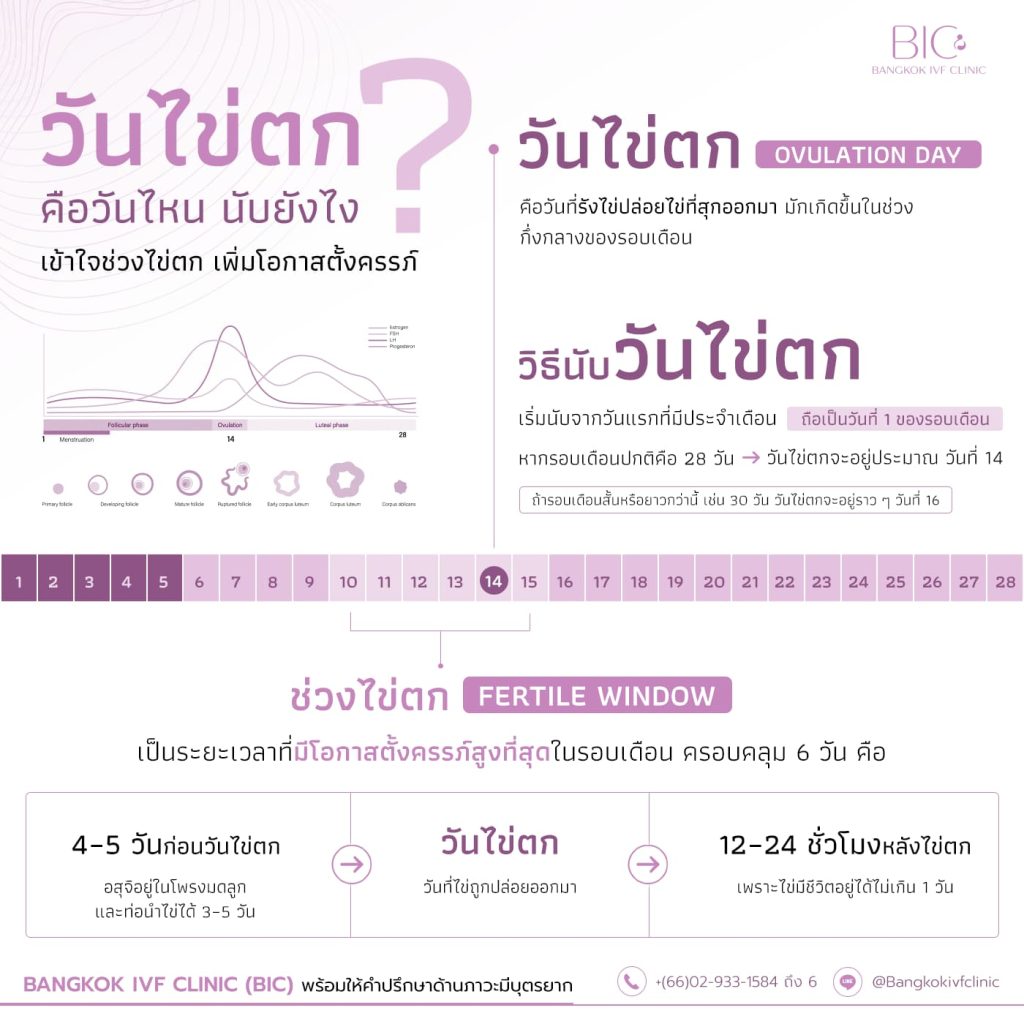
In general, ovulation day is the day the ovary releases a mature egg. It often falls around the middle of the cycle—for example, in a 28-day cycle, ovulation is often around day 14.
However, ovulation can occur slightly before or after that day because every body is different, and the fertile window—when pregnancy is most likely—spans several days, not a single day as many people assume.
The fertile window is the period when an egg can be fertilised, and if sperm are still viable in the uterine cavity and fallopian tubes, fertilisation can occur. Typically the fertile window lasts about 5–6 days, including:
- 4–5 days before ovulation (because sperm can survive about 3–5 days)
- The day of ovulation
- And 12–24 hours after ovulation (because the egg survives only a short time—no more than about a day after release)
Therefore planning intercourse during the fertile window can significantly increase the chance of pregnancy.
Signs of the fertile window you may notice include:
- Cervical mucus that is clear and stretchy, similar to raw egg white
- A slight rise in basal body temperature after ovulation
- Mild lower abdominal discomfort or mild back pain
Ways to identify ovulation day more accurately
- Use ovulation test kits that measure LH, which typically surges 24–48 hours before ovulation
- Track your menstrual cycle consistently
- Chart basal body temperature (BBT) and note changes in your period
3. Factors that affect ovulation
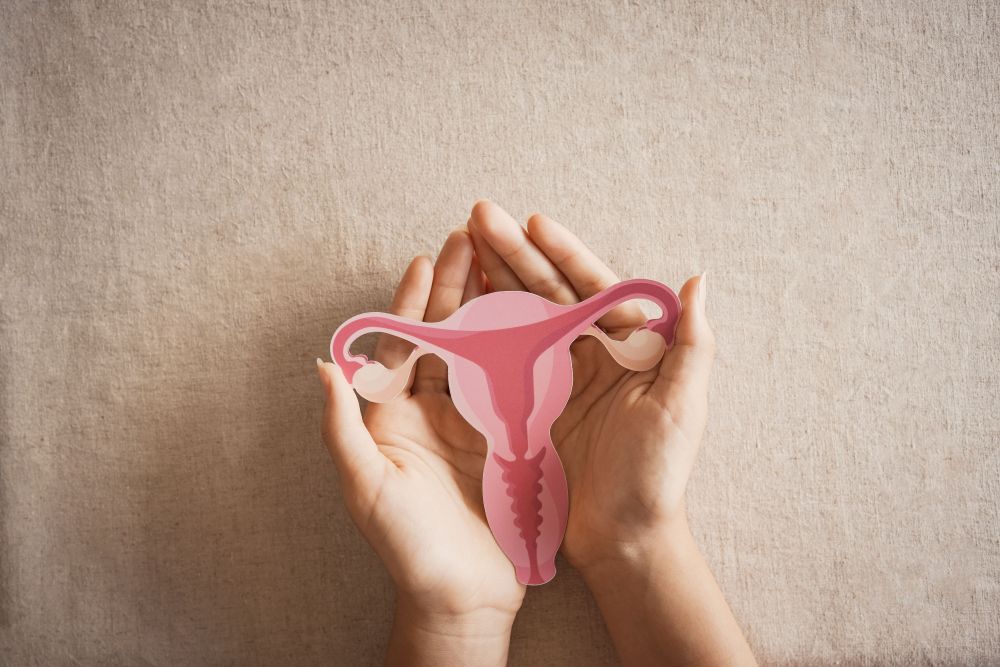
Ovulation is a natural process, but several factors can make it irregular or stop altogether, affecting the chance of pregnancy:
1. A woman’s age
- As age increases, especially after 35, egg quantity in the ovaries declines steadily and egg quality worsens
- After age 35, natural pregnancy rates fall, and the risks of miscarriage or chromosomal abnormalities in the baby increase
2. Physical health and medical conditions
- Polycystic ovary syndrome (PCOS) can cause irregular ovulation or anovulation
- Thyroid disorders—both under- and overactive thyroid—affect hormones that regulate ovulation
- Obesity or being underweight disrupt hormone balance and directly affect ovulation
- Chronic diseases such as diabetes or immune problems can also affect the reproductive system
3. Lifestyle habits
- Chronic stress raises cortisol, which can interfere with reproductive hormones
- Insufficient sleep disrupts the hormone cycle and overall wellbeing
- Excessive exercise can put the body under stress and suppress ovulation
- Smoking and alcohol are major factors that can reduce egg quantity and quality earlier than usual
4. Environmental factors
- Exposure to certain chemicals—such as pesticides, heavy metals, or endocrine disruptors—can interfere with ovarian function and ovulation
Understanding these factors helps women adjust their habits and reduce risks that could affect ovulation.
Once you know what the fertile window is and which day you ovulate, you can plan for pregnancy with more confidence. If ovulation is irregular or you face infertility, ovulation induction medication under a reproductive medicine specialist may be another option to improve your chances.
Bangkok IVF Clinic (BIC) is here for you with a team specialised in reproductive medicine and treatments that meet high standards. We offer consultations and personalised care to support your dream of having a child.
For more information
- Phone: +(66)02-933-1584 to 6
- Line@: @Bangkokivfclinic
References
- Right Time For Sex, When Do You Ovulate. Accessed September 30, 2025, from https://www.yourfertility.org.au/everyone/timing
- Periods and fertility in the menstrual cycle. Accessed September 30, 2025, from https://www.nhs.uk/conditions/periods/fertility-in-the-menstrual-cycle/