IVF SERVICES
SHOW ALL



Preimplantation Genetic Testing (PGT): Ensuring a Safe and Healthy Pregnancy
In the past, couples who were affected by or carriers of genetic disorders faced a significant risk of passing these conditions to their children. Diagnosis was typically only possible after pregnancy had already begun, leaving parents with limited options: accepting the birth of a child with a disability or facing the difficult decision of pregnancy termination.
Bangkok IVF Center (BIC) is an international-standard fertility center that integrates Preimplantation Genetic Testing (PGT) into the IVF (In Vitro Fertilization) and ICSI (Intracytoplasmic Sperm Injection) processes. This technology allows for the diagnosis of genetic abnormalities in embryos with 95–99% accuracy before they are transferred back into the uterus. This ensures that only healthy, genetically normal embryos are selected, helping to avoid complications and reducing the need for late-stage medical interventions.
What is PGT?
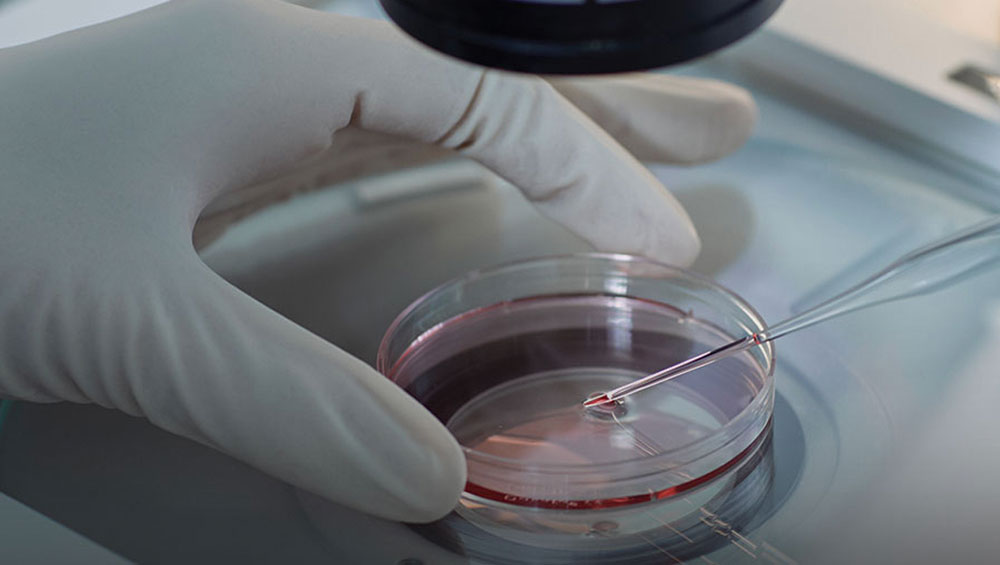
PGT (Preimplantation Genetic Testing) is a laboratory procedure used to analyze the genetic makeup of embryos created through assisted reproductive technology (ART). By screening embryos before implantation, clinicians can identify those with normal genetics to ensure a healthy start to life.
Types of Genetic Testing at BIC
At Bangkok IVF Center, we provide three specialized types of PGT to address different genetic concerns:
1. PGT-A (Aneuploidies)
Formerly known as PGS (Preimplantation Genetic Screening), PGT-A screens all 23 pairs of chromosomes for numerical abnormalities. Using Next Generation Sequencing (NGS) technology, we can detect common chromosomal disorders such as:
- Down Syndrome: An extra copy of chromosome 21 (Trisomy 21).
- Patau Syndrome: An extra copy of chromosome 13 (Trisomy 13).
- Edward Syndrome: An extra copy of chromosome 18 (Trisomy 18).
- Sex Chromosome Abnormalities: Disorders related to the X and Y chromosomes.
Who is PGT-A for?
- Couples with a family history of chromosomal abnormalities.
- Couples who have previously had a child with a genetic disorder.
- Couples with a history of two or more miscarriages.
- Women aged 35 years or older.
- Couples who have undergone two or more unsuccessful IVF/ICSI cycles.
2. PGT-M (Monogenic/Single Gene Disease)
Previously known as PGD (Preimplantation Genetic Diagnosis), PGT-M focuses on specific hereditary diseases caused by a single gene mutation. This test identifies embryos that are free from the disease or are non-affected carriers, preventing the transmission of:
- Autosomal Recessive Disorders: Such as Thalassemia and Cystic Fibrosis (where both parents must pass on the gene).
- Autosomal Dominant Disorders: Such as Achondroplasia (dwarfism) and Huntington’s Disease (where only one affected parent is needed to pass the gene).
- X-linked Disorders: Such as Hemophilia, Color Blindness, and Duchenne Muscular Dystrophy (DMD).
Who is PGT-M for?
- Families with a known history of specific genetic diseases.
- Couples where one or both partners are carriers of a single-gene disorder.
- Couples who have previously had a child with a hereditary condition.
3. PGT-SR (Structural Rearrangement)
PGT-SR is used to detect chromosomal structural abnormalities, such as translocations (where pieces of chromosomes break off and reattach to different chromosomes). Even if a parent appears healthy (balanced translocation), their reproductive cells may have missing or extra genetic material (unbalanced), leading to non-viable embryos. PGT-SR significantly reduces miscarriage rates and increases the chances of a successful live birth.
Who is PGT-SR for?
- Couples with a known chromosomal translocation or inversion.
- Couples with a history of recurrent miscarriages (2+ times) due to chromosomal issues or unexplained factors.
Comparison Table of Advantages and Limitations of PGT-A VS PGT-M VS PGT-SR
Embryo chromosome testing using PGT-A, PGT-M, and PGT-SR has different advantages, limitations, and prices. These can be summarized simply as follows:
|
Types of examination |
Main advantages |
Limitations/Things to know |
|
PGT-A is a test that detects genetic abnormalities inherited from parents, which can cause diseases such as thalassemia. |
1. Increases the success rate of IVF/ICSI by helping to select embryos with normal chromosomes (euploidy). |
1. Additional costs beyond the standard IVF/ICSI procedure. |
|
2. Reduce the risk of miscarriage caused by chromosomal abnormalities. |
2. The results are not 100% accurate because there is still the possibility of mosaicism (some cells are normal, some are abnormal), which requires experienced interpretation. |
|
|
3. Reduce the number of repetitions of the IVF/ICSI procedure. |
3. The embryo must reach the blastocyst stage. If the embryo does not develop to this stage, it cannot be examined. |
|
|
PGT-M is a genetic test that must be performed in conjunction with PGT-A. |
1. Avoiding clear disease transmission helps prevent serious genetic diseases in children. |
1. Complex preparations are required, including specific setup/probe development for each family’s disease, which necessitates time and initial preparation costs. |
|
2. Reduce the need for abortion in high-risk cases. |
2. A clear genetic history of the carrier parents is required. |
|
|
3. Sex selection is possible to reduce the risk of X-linked diseases. |
||
|
PGT-SR is a preimplantation screening test for chromosomal abnormalities in embryos, detecting abnormalities in the arrangement or rearrangement of chromosome segments. |
1. Reduce miscarriage rates in high-risk groups by helping to select embryos with balanced/normal chromosomes from couples who are carriers of translocations. |
1. The rate of obtaining normal embryos may be lower: Couples who undergo translocation may produce a high rate of embryos with abnormalities, resulting in a limited number of usable embryos. |
|
2. Increase the chances of continued pregnancy by avoiding embryo transfers with chromosomal imbalances. |
2. The complexity of the analysis requires specific techniques to differentiate between equilibrium and unequilibrium models. |
Patient Impressions: Choosing Embryo Genetic Testing at Bangkok IVF Clinic (BIC)
Why Choose Embryo Genetic Testing at Bangkok IVF Clinic (BIC)?
Deciding to undergo Preimplantation Genetic Testing (PGT) is a significant investment in your family’s future. At Bangkok IVF Clinic (BIC), we provide superior confidence through the following key pillars:
Nearly Two Decades of Expertise
Led by Dr. Viwat Chinpilas, the medical team at Bangkok IVF Center (BIC) has nearly 20 years of experience in utilizing advanced technology for embryo genetic testing. Our long-standing expertise significantly enhances the success rates of healthy pregnancies for married couples.
High-Quality Laboratory and Specialized Team
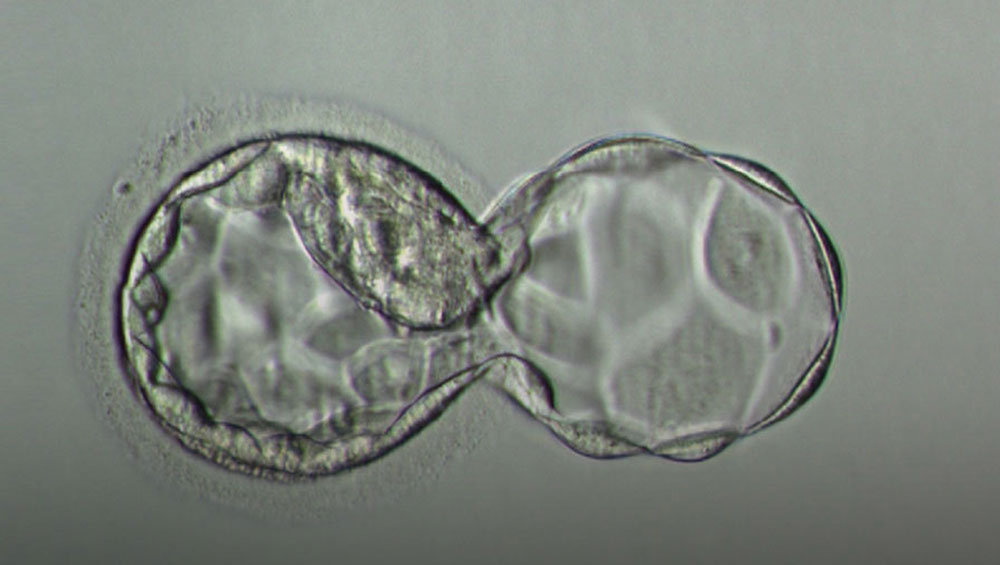
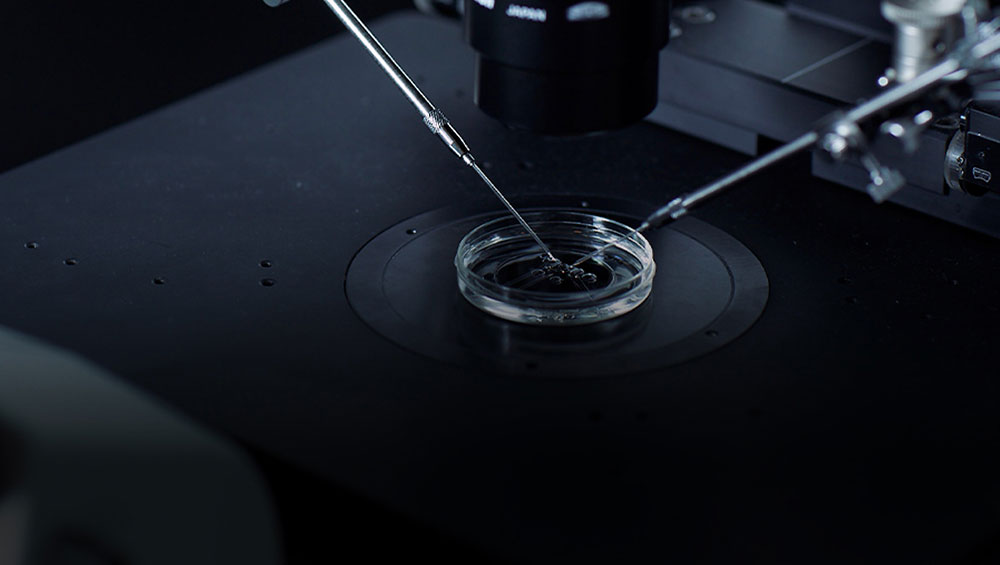
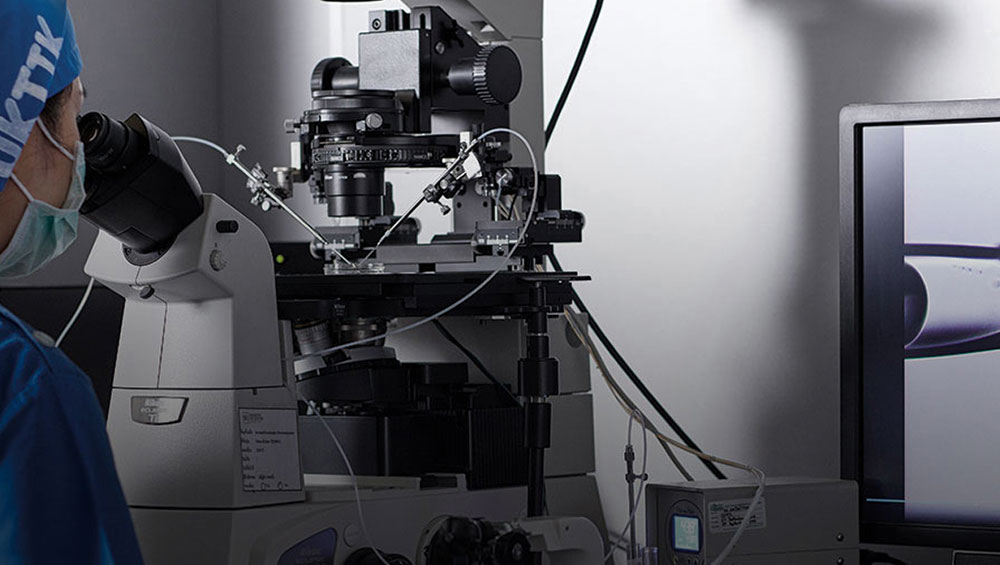
Our laboratory is equipped with state-of-the-art instruments that meet international quality standards, ensuring an optimal environment for embryo development. Furthermore, the Embryologist team at BIC possesses high-level skill in performing Trophectoderm Biopsies—safely and accurately collecting cell samples from Blastocyst-stage embryos. This is the most critical step in PGT, and our precise techniques ensure the procedure is done without harming the embryo.
Personalized Genetic Counseling
At Bangkok IVF Center (BIC), our doctors and Genetic Counselors provide detailed consultations both before and after testing. We help assess risks and clearly explain the complex results of PGT-A, PGT-M, and PGT-SR analyses, allowing us to create a treatment plan tailored specifically to each individual’s needs.
Embryo Genetic Testing: Ensuring a Healthy Path to Parenthood
Embryo genetic testing or PGT (Preimplantation Genetic Testing) is a vital step that transforms uncertainty into pregnancy confidence. At Bangkok IVF Clinic (BIC), we are committed to providing precise PGT services to maximize your chances of welcoming a healthy baby into your family.
Contact Us for More Information
- Tel: +(66)02-933-1584 to 6
- Line@: @Bangkokivfclinic
Frequently Asked Questions (FAQ)
What is PGT, and how does it differ from regular IVF/ICSI?
Preimplantation Genetic Testing (PGT) is a laboratory test that analyzes the genetic material of embryos before they are transferred back into the uterus. This is an added step to the standard IVF/ICSI procedure to ensure that the embryos being transferred are not genetically abnormal, thereby increasing the chances of success and reducing the risk of miscarriage.
What are PGT-A and PGT-M, and what are their different purposes?
PGT-A (Aneuploidies) is a screening test to determine the number of chromosomes (all 23 pairs) and whether there are extra or deficient chromosomes (such as Down syndrome). It is suitable for older women or couples who have experienced recurrent miscarriages.
PGT-M (Monogenic Disease) is a diagnostic test for single-gene diseases with a known cause (such as thalassemia). It is suitable for couples who are at risk or carriers of specific genetic diseases.
What preparations should I make before undergoing PGT?
The primary preparation involves getting ready for the standard IVF/ICSI procedure. For PGT-M and PGT-SR, couples must undergo detailed genetic counseling, and blood tests may be necessary to confirm carrier status or chromosomal abnormalities for disease-specific analysis prior to the procedure.
How many embryos are needed to perform PGT?
There is no minimum number of embryos required, but it is recommended to have at least 1-2 embryos that have developed to the blastocyst stage before a biopsy can be performed. Furthermore, the more blastocysts present, the higher the chance of finding genetically normal embryos suitable for transfer.
Does embryo biopsy have any side effects or risks to the embryo?
The risk to the embryos is considered very low, and embryo extraction is performed by highly skilled embryo culture scientists under microscopes and precise instruments.
How long is the waiting time for PGT results?
PGT test results take approximately 2-3 weeks from the date the cell sample is sent to the laboratory for analysis. The embryos will be frozen (cryopreservation) while awaiting results, and an embryo transfer (FET) appointment will be scheduled for the next menstrual cycle once the test results confirm that the embryos are normal.
If the embryo is found to be abnormal, what are the options?
If the PGT results indicate a clear abnormality in the embryo, the recommended option is not to transfer the embryo back into the uterus. The medical team and genetic counselor will advise the couple on the meaning of the test results and the options for further treatment, such as repeating the IVF/ICSI cycle to create new embryos, or other options depending on the family's needs.