IVF SERVICES
SHOW ALL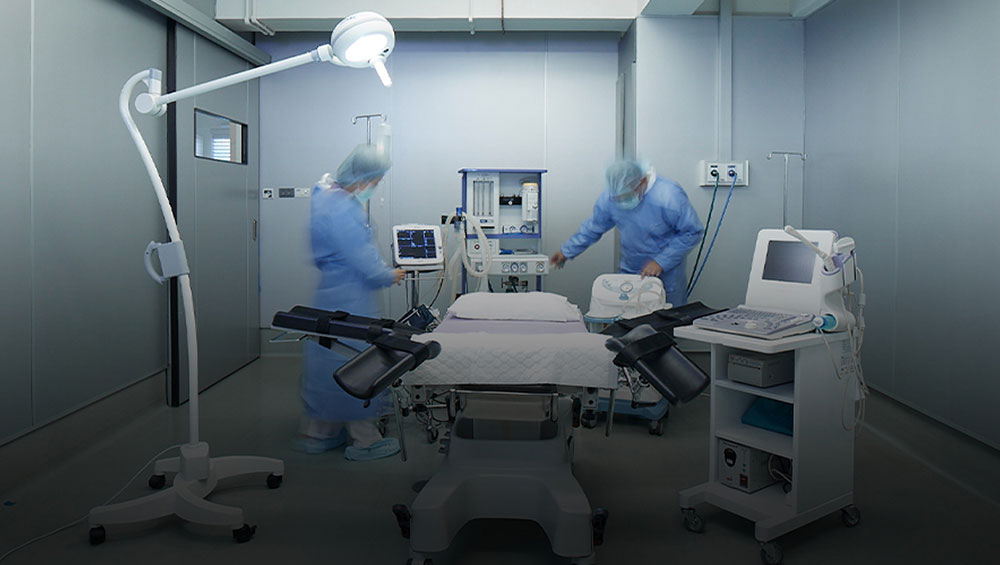
Surgical Sperm Retrieval: PESA & TESE – Solutions for Male Infertility
The absence of sperm in the ejaculate, known as Azoospermia, is a significant cause of infertility in many couples. This condition can stem from blockages in the reproductive tract, production issues within the testes, infections, or prior surgeries. While this may seem like a major obstacle, modern medical technology now allows men with Azoospermia to achieve their dream of becoming a father.
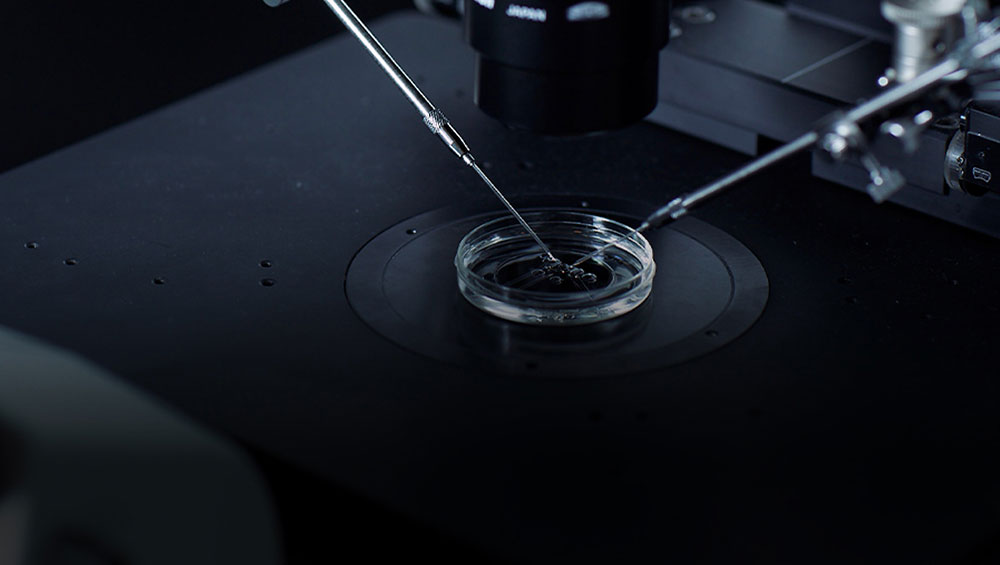
PESA (Percutaneous Epididymal Sperm Aspiration) and TESE (Testicular Sperm Extraction) are widely recognized techniques used to collect sperm directly from the epididymis or the testes. These procedures are typically performed in conjunction with ICSI (Intra-Cytoplasmic Sperm Injection) to maximize the chances of a successful pregnancy.
What are PESA and TESE?
When sperm cannot be found in the semen, a specialist will determine which direct retrieval method is most suitable based on the patient’s specific condition.
- PESA (Percutaneous Epididymal Sperm Aspiration): A fine needle is inserted through the skin into the epididymis (where sperm is stored) to aspirate sperm. This method is ideal for men with Obstructive Azoospermia, such as those who have had a vasectomy or have blockages due to infection.
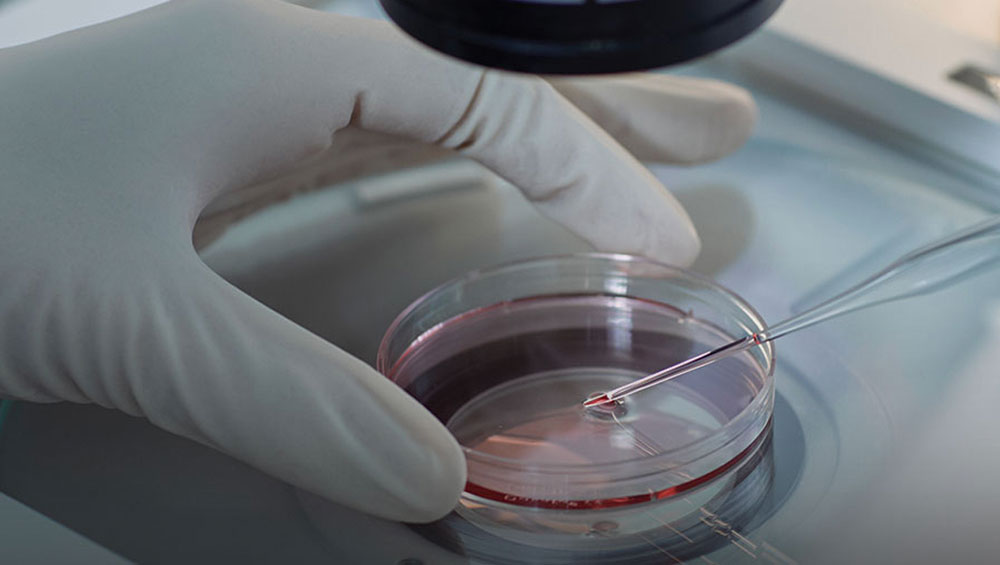
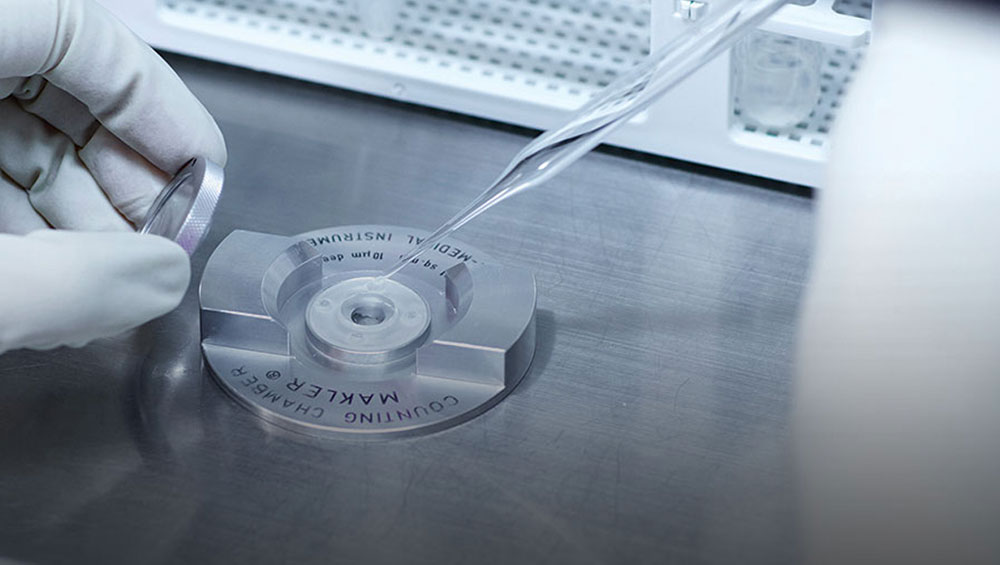
- TESE (Testicular Sperm Extraction): A minor surgical procedure where a small piece of tissue is taken directly from the testis. Scientists then search the tissue for viable sperm under a microscope. This is suitable for men whose testes produce sperm that does not reach the ejaculate, or for cases of Non-obstructive Azoospermia.
Who Should Consider PESA / TESE?
Surgical sperm retrieval is recommended for:
- Obstructive Azoospermia: Blockages caused by vasectomy or physical obstructions.
- Non-obstructive Azoospermia: Cases where the testes produce very little sperm, making it undetectable in semen.
- Ejaculatory Dysfunction: Inability to ejaculate normally.
- Congenital Absence of Vas Deferens: Being born without the tubes that transport sperm.
The Process at Bangkok IVF Clinic (BIC)
1. Consultation & Evaluation
The process begins with a detailed semen analysis. If no sperm is found, the doctor will use blood tests to check hormone levels and an ultrasound to examine the structure of the testes to identify the root cause and choose the best retrieval method.
2. The Procedure
- PESA: Performed under local anesthesia. It is quick, requires minimal recovery, and the patient can usually return home the same day. Some mild swelling or discomfort may occur for a few days.
- TESE: Performed under local anesthesia or light sedation. A small biopsy of testicular tissue is taken. While the procedure is short, it may require slightly more recovery time than PESA.
3. Preparation
If sedation is required, patients must fast (no food or water) for at least 8 hours. Patients must inform the doctor of any medications (especially blood thinners), underlying health conditions, or previous surgeries.
4. Post-Procedure Care
Patients should rest and avoid heavy lifting or strenuous activity for the first 1–2 days. Cold compresses and prescribed pain relief can help manage swelling. If severe pain, redness, or fever occurs, patients should contact the doctor immediately.
Pros and Cons of PESA / TESE
Advantages
- Enables men with Azoospermia to have biological children via ICSI.
- Retrieved sperm can be cryopreserved (frozen) for future use.
- Provides a solution for men who have previously had a vasectomy.
Considerations
- Success in Non-obstructive cases depends on the testes’ ability to produce any sperm.
- Higher cost than standard semen collection.
- Requires a specialized laboratory and an expert fertility team.
Why Choose Bangkok IVF Clinic?
- Expertise You Can Trust: Led by Dr. Viwat Chinpilas, a reproductive specialist with over 29 years of experience.
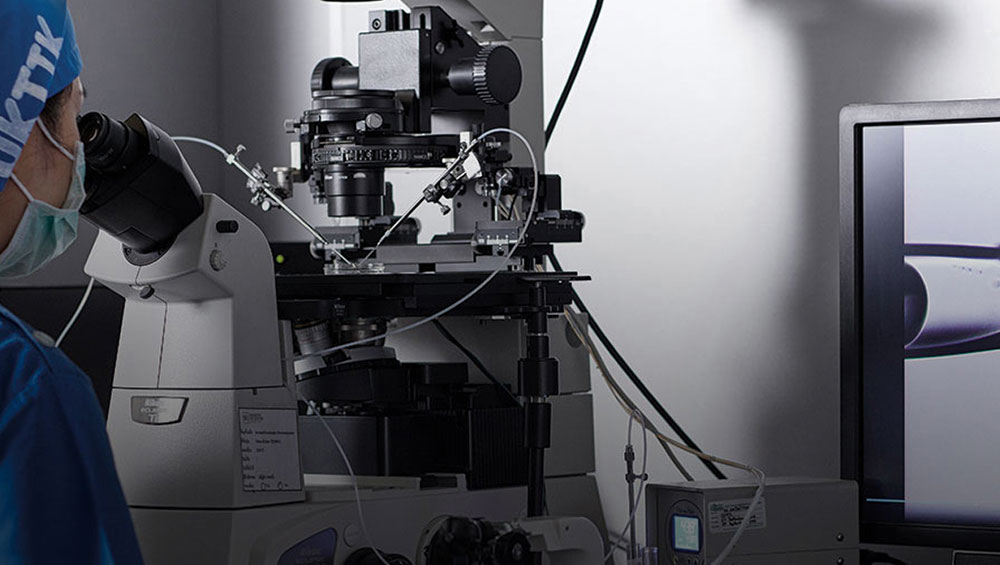
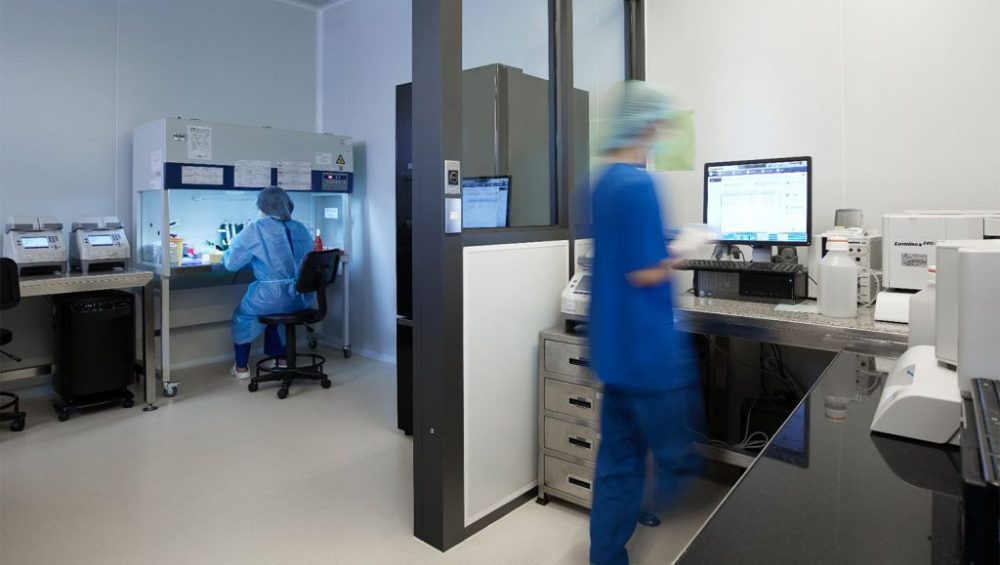
- Advanced Laboratory: Our facility is equipped with modern sperm-sorting technology and high-standard IVF labs.
- Personalized Care: We provide comprehensive care for both male and female infertility factors under one roof.
Contact Us
If you or your partner are facing infertility challenges and wish to learn more about PESA / TESE:
- Phone: +(66)02-933-1584 to 6
- Line@: @Bangkokivfclinic
Frequently Asked Questions (FAQ) about doing PESA & TESE
Are PESA and TESE painful?
Generally, a local anesthetic or mild sedative is used, so the procedure is painless. However, you may experience some soreness or swelling afterward, which will subside on its own within a few days.
How should I prepare before taking PESA and TESE exams?
Please refrain from eating and drinking for at least 8 hours before the procedure. If anesthesia is used, please refrain from smoking and alcoholic beverages. Also, inform your doctor about any pre-existing medical conditions and medications you are currently taking.
How long is the recovery period after PESA and TESE procedures?
Most recover in 1–2 days and can return to light work soon after.
Can the collected sperm be used directly for ICSI?
Sperm collected from the PESA/TESE process can be used immediately for ICSI, or it can be frozen for future use.