CRYOPRESERVATION
SHOW ALL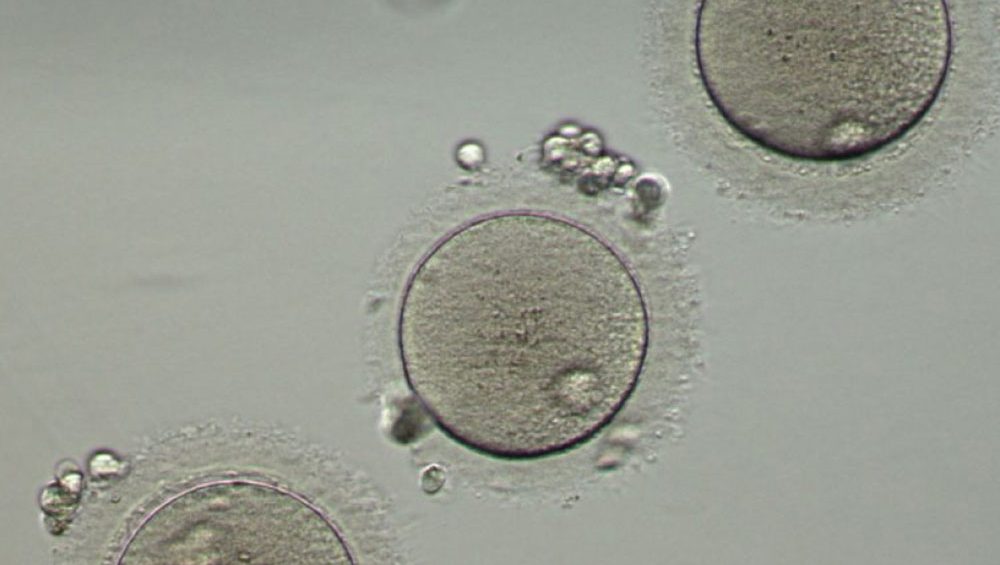
Embryo Freezing
Embryo Freezing Services for Future Parenthood
Having a child is more than just a dream for many couples; it is the foundation of a complete family. However, factors such as age, health, or life planning may mean that some are not quite ready at certain stages. “Embryo Freezing” has emerged as a vital option to preserve the potential for parenthood for the future.
Bangkok IVF Clinic (BIC) is a leading fertility center in Southeast Asia. With over 15 years of experience, we feature reproductive medicine specialists, a high-standard IVF laboratory, and advanced embryo preservation technology to increase success rates and provide confidence to every aspiring parent.
What is an Embryo?
An embryo is the earliest stage of life, formed when an egg is fertilized by a sperm. Once fertilized, the embryo is cultured in a laboratory until it reaches the appropriate stage before being transferred back into the uterine cavity to achieve pregnancy. Furthermore, if you wish to save high-quality embryos for future use, they can be preserved using the “Embryo Freezing” technique.
What is Embryo Freezing?
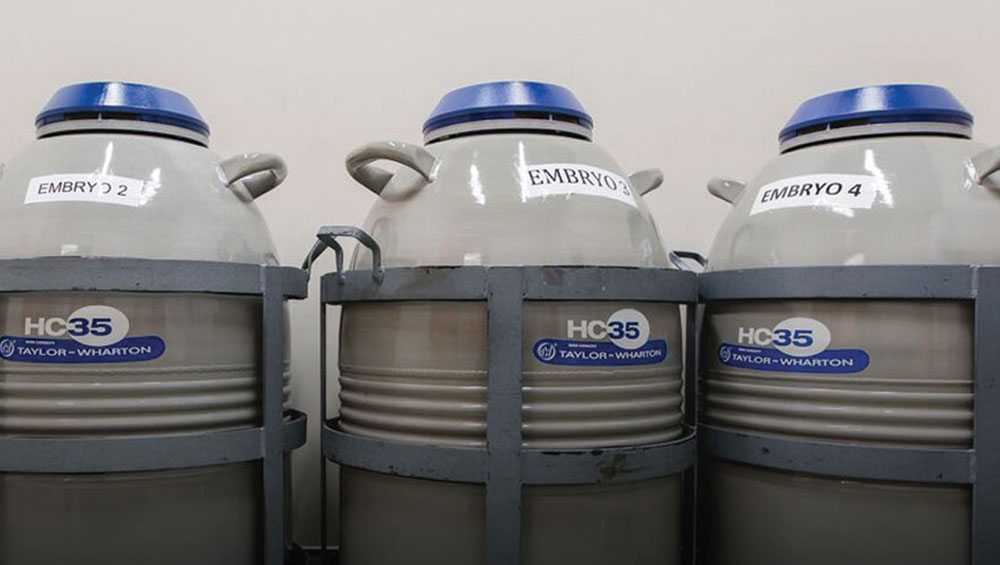
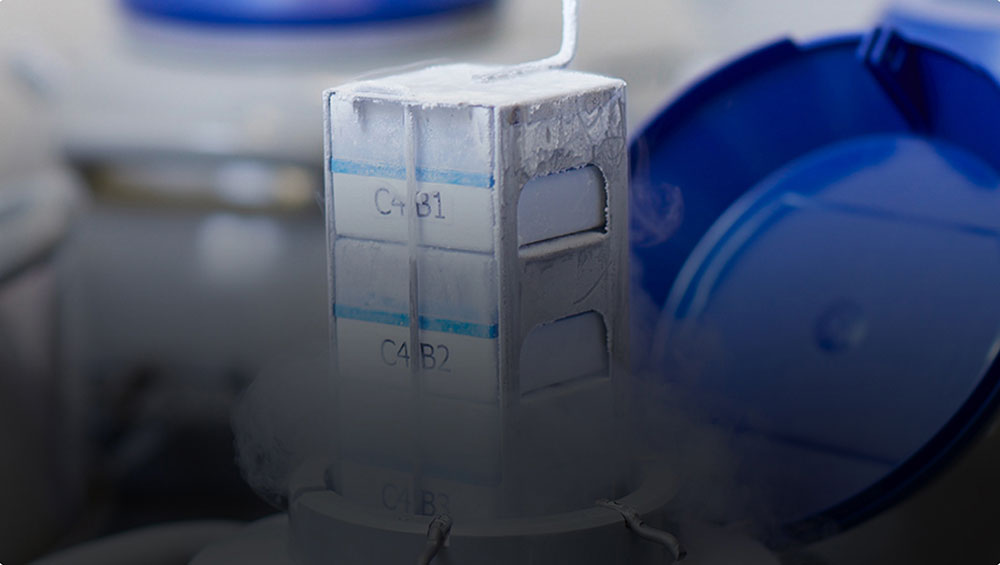
Embryo freezing is the preservation of embryos using a rapid-freezing technique called Vitrification at -196°C. This process maintains the condition and quality of the embryos. Frozen embryos can be stored for 5 years, and in many cases, remain viable even after more than 10 years.
Why Choose Embryo Freezing?
- To postpone pregnancy until you are fully ready.
- To preserve fertility before undergoing treatments like chemotherapy or radiation, which may affect reproductive health.
- To store high-quality embryos at an optimal age, increasing the chance of success in the future.
- To reduce the need for repeated ovarian stimulation if you wish to have more children later.
Who is it for?
- Married couples not yet ready for children but wanting to secure future success.
- Individuals facing illnesses or treatments (like chemotherapy) that impact ovarian function.
- Younger married women with high-quality eggs who want to “freeze time” for their embryos.
- Patients who have undergone IVF/ICSI and have surplus embryos they wish to save.
The Embryo Freezing Process at Bangkok IVF Clinic
At BIC, the collection and freezing process is rigorous and systematic, supervised closely by specialists and embryologists at every step.
- Consultation and Planning: Meet with a specialist for a health check-up, hormone testing, and pelvic ultrasound to evaluate ovarian function and design the most suitable treatment plan.
- Ovarian Stimulation: Hormonal medications are used to stimulate the ovaries to produce multiple eggs. Doctors monitor growth via ultrasound and blood hormone levels.
- Egg Retrieval and Fertilization: Once follicles reach the right size, a trigger shot is administered, followed by egg retrieval 36 hours later. The eggs are then fertilized with sperm using IVF or ICSI techniques.
- Embryo Culture: The resulting embryos are cultured in a controlled laboratory environment until they reach the Blastocyst stage—the peak quality stage ready for preservation.
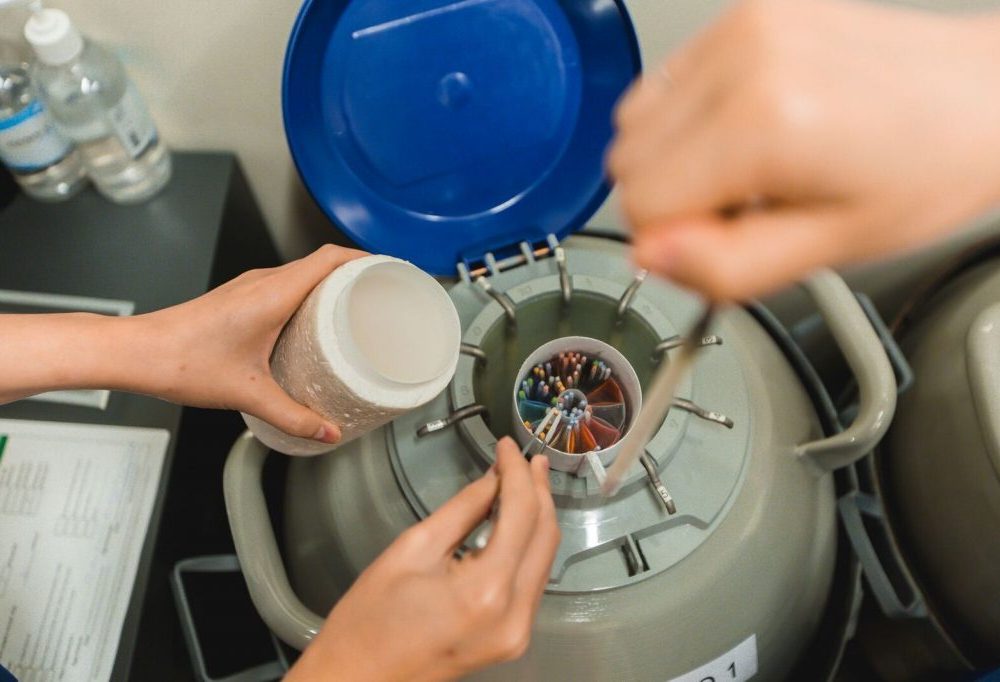
- Freezing (Vitrification): High-quality embryos are frozen using the Vitrification technique at -196°C to lock in their quality.
- Storage in a High-Standard IVF Lab: Frozen embryos are kept in our international-standard lab under 24/7/365 monitoring by our embryologists to ensure they remain in perfect condition until use.
Pros and Limitations
Pros:
- Preserves embryo quality for the future, giving couples the choice to conceive when ready.
- Reduces the need for multiple rounds of ovarian stimulation, lessening the physical burden on the woman.
- Increases success rates in IVF/ICSI by using pre-selected, high-quality preserved embryos.
Limitations:
- Involves costs for long-term storage and the thawing process.
- Embryo quality depends on the woman’s age at the time of egg retrieval; the younger the age, the better the overall quality.
- The subsequent use of embryos requires medical procedures such as Embryo Transfer (ET) under specialist care.
Why Choose Bangkok IVF Clinic (BIC)?
Reproductive Specialists: Led by Dr. Viwat Chinpilas
Our highly experienced specialists have cared for thousands of patients, ensuring safety and high success rates.
Standardized IVF Laboratory
Recognized as one of the top IVF centers in the country, featuring full-time embryologists to monitor quality year-round.
Comprehensive Fertility Technology
We offer a full suite of solutions including IVF, ICSI, PGT-A, Cryopreservation, and Assisted Hatching.
Individualized Care
Treatment plans are tailored specifically to each patient’s physiology and health for the most effective results.
Global Trust
Trusted by both Thai and international patients, often through word-of-mouth from successful families.
Start Your Journey with Bangkok IVF Clinic (BIC)
Secure your future family today. For more information regarding steps, costs, and consultations, our team is ready to help you plan.
Contact Us:
- Phone: +(66) 02-933-1584 to 6
- Line@: @Bangkokivfclinic
FAQ
How long can frozen embryos be stored?
With vitrification technology, frozen embryos can be preserved for as long as 5 years, and in many cases, they remain effective even after more than 10 years.
Is freezing embryos safe?
Highly safe, as it uses glass crystal freezing techniques and internationally standardized laboratories, under the supervision of a team of experts.
What is an embryo? How does it differ from egg freezing?
An embryo is the embryonic cell resulting from the fertilization of an egg and sperm. Egg banking is the process of storing only egg cells.
Can I choose the number of embryos to be frozen?
Yes, the doctor will assess with the patient how many embryos should be frozen to meet future family planning needs. The number that can be frozen depends on the quality of the eggs and sperm in that particular treatment cycle.
Does freezing embryos have any health side effects?
In general, embryo freezing does not negatively affect a woman's health. However, procedures involved, such as ovarian stimulation and egg retrieval, may cause unilateral side effects from stimulation or temporary mild pain after egg retrieval.
Does the success rate of frozen embryo transfer differ from that of fresh embryo transfer?
Pregnancy from frozen embryos has a similar outcome to fresh embryos, with success depending on embryo quality and the woman's age at the time of egg retrieval. Research confirms that there are no reported increases in birth defects from the use of frozen embryos.