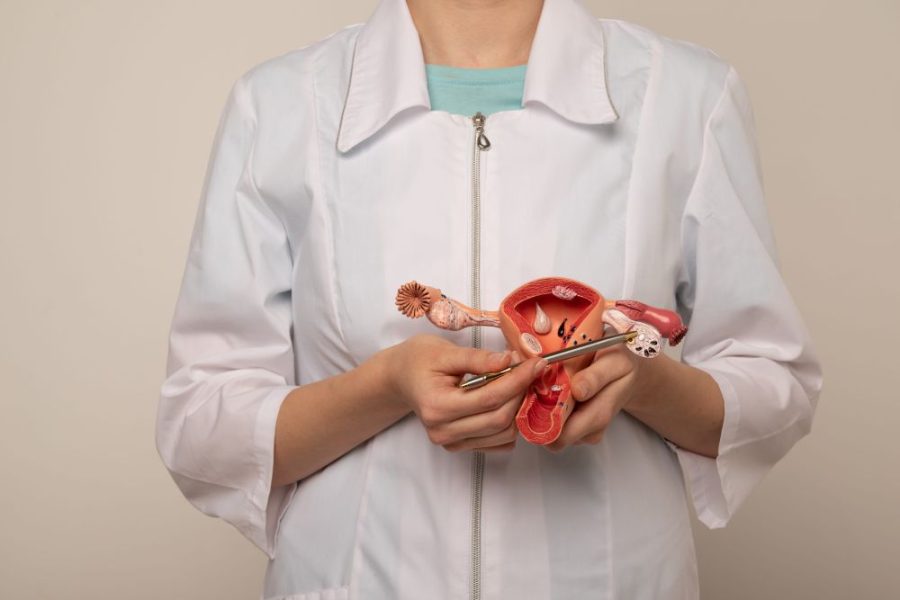
Have you ever wondered what counts as infertility?
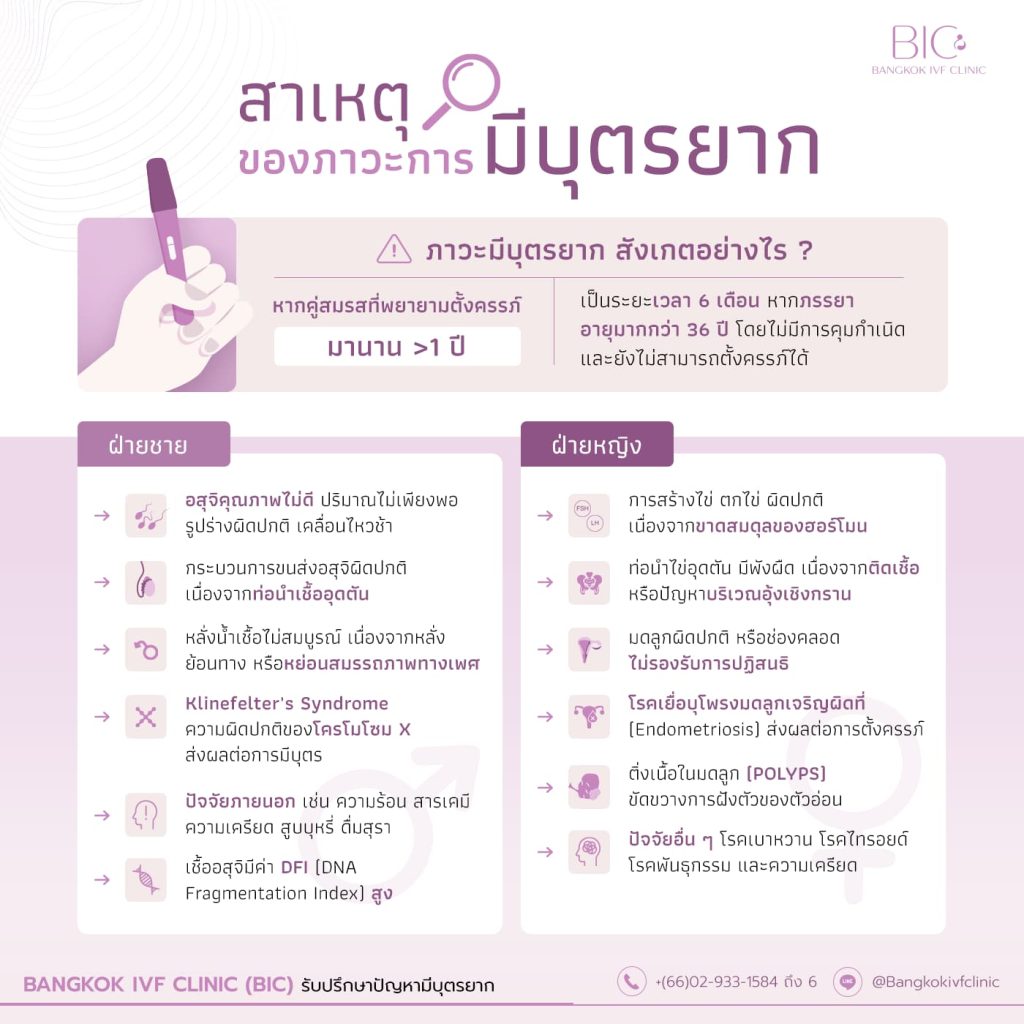
A simple guide: if the female partner is under 36 and the couple has regular unprotected intercourse for about 12 months without pregnancy; or if she is over 36 and there is no pregnancy after about 6 months of unprotected intercourse—that raises concern for infertility.
Infertility can involve the man, the woman, or both. Today many medical treatments can improve the chance of pregnancy when tailored to the cause.
What causes infertility?
Common causes of infertility in men include the following.
Men
Low sperm production or poor sperm quality
Men may produce too few sperm or sperm of low quality—abnormal shape or poor movement—due to hormone problems or conditions such as varicocele that affect the testicles.
Abnormal sperm transport
Blockage or scarring in the vas deferens—after infection or injury—can prevent sperm from being delivered normally.
Incomplete ejaculation
Retrograde ejaculation or erectile dysfunction can prevent sperm from reaching the female tract effectively.
Klinefelter syndrome
This chromosomal condition (often 47,XXY) can severely impair fertility—for example absent sperm in the ejaculate.
Environmental and lifestyle factors
Heat, toxins, stress, smoking, and alcohol can all impair sperm production and lower pregnancy chances.
Women
Abnormal egg production or ovulation
Common female issues include problems forming or releasing eggs, linked to hormones or medical conditions.
Fallopian tube problems
Blockage or adhesions around the fallopian tubes stop the egg from reaching the uterus—often after infection or pelvic disease.
Uterine abnormalities
Some women have structural issues of the uterus or cervix—such as an abnormally shaped uterus—that affect implantation or passage of sperm.
Endometriosis
Endometriosis means tissue similar to the uterine lining grows outside the uterus—on the ovaries, tubes, pelvis, or elsewhere—which can harm fertility and cause severe pain.
Endometrial polyps
Polyps in the uterine cavity may block implantation or obstruct the cervix.
Other factors
Chronic illnesses such as diabetes or thyroid disease, immune disorders, genetic conditions, and stress can disrupt hormones and fertility.

Treatment options for infertility
Treatment depends on the cause. The right plan can significantly improve pregnancy chances.
Timed intercourse around ovulation
Because the egg lives only a short time after release, regular intercourse in the fertile window helps. Apps can help track ovulation timing.
Ovulation induction medication
For irregular or poor ovulation, drugs such as clomiphene or letrozole can stimulate ovulation and improve conception odds.
Assisted reproductive technology
IUI (intrauterine insemination)
Prepared sperm is placed into the uterus around ovulation so more sperm reach the egg.
IVF (in vitro fertilisation)
Egg and sperm meet in the lab; embryos are then transferred to the uterus.
ICSI (intracytoplasmic sperm injection)
A single sperm is injected into an egg when conventional fertilisation is unlikely to work.
Surgery for anatomical problems
Some patients need surgery—for blocked tubes or certain uterine or pelvic issues—to restore fertility.
Lifestyle and health optimisation
Healthy habits also improve odds. Key areas include:
Stop smoking and limit alcohol
Smoking and alcohol harm general health and fertility. Quitting supports recovery and pregnancy readiness.
Reduce stress and support wellbeing
Stress affects fertility. Exercise, mindfulness, and emotional support can help balance body and mind.
Eat a nutritious diet
Vegetables, fruit, quality protein, and methylfolate support conception and early embryo development.
Knowing the cause and choosing appropriate treatment improves outcomes. If you suspect infertility or want guidance, a dedicated fertility clinic such as Bangkok IVF Clinic (BIC) can help you move toward your goal of pregnancy.
For more information or to book a consultation
- Phone: +(66)02-933-1584 to 6
- WhatsApp: Chat on WhatsApp
References
- Infertility. Accessed December 16, 2025, from https://www.who.int/news-room/fact-sheets/detail/infertility


FAQs about infertility
Q: Why is infertility so common—what causes it?
A: Many factors contribute: problems with egg or sperm production, blocked tubes, uterine issues, hormones, age, and lifestyle.
Q: What should I do if I think I have infertility?
A: See a reproductive medicine specialist at a fertility centre for evaluation and a treatment plan suited to you.
Q: How is the cause of infertility investigated?
A: Assessment usually includes both partners: general health review, semen analysis for men, and for women tests of ovulation, hormones, and sometimes tubal patency or imaging.
Q: When should we see a fertility doctor?
A: If you have had regular unprotected intercourse for more than one year (or six months if the female partner is over 36) without pregnancy, book an evaluation to discuss causes and options.