IVF SERVICES
SHOW ALL

What is IUI and Why is it the First Choice for Infertility?
IUI (Intrauterine Insemination) is a form of artificial insemination performed inside the body. The doctor selects only the strongest, highly motile sperm and uses a small, flexible catheter to inject them directly into the woman’s uterus during her ovulation window.
This method shortens the sperm’s journey and bypasses natural obstacles, such as vaginal acidity or overly thick cervical mucus. By making it much easier for the sperm to meet the egg, IUI is often the very first line of treatment doctors recommend before moving on to more complex procedures.
Who is IUI suitable for?
Since this method still relies on natural fertilization within the fallopian tubes, it is best suited for:
- Couples with unexplained infertility.
- Women with abnormal cervical mucus or irregular ovulation.
- Men with mild fertility issues, such as a slightly low sperm count or mild motility issues, provided the sperm sample can still be effectively washed and prepared.
- Couples looking for a less invasive, more natural approach with a less stressful procedure.
Who is NOT suitable for IUI?
To ensure effective treatment outcomes, couples with the following factors may need to consider alternative fertility treatments:
- Women with blocked or severely damaged fallopian tubes on both sides, which completely prevents the egg and sperm from meeting.
- Women with severe pelvic adhesions or advanced endometriosis.
- Men with severe sperm abnormalities regarding count, motility, or morphology (shape).
- Couples where the woman is over 35 years old, as this significantly impacts the quantity and quality of healthy eggs.
4 Steps of the IUI Process for Couples Seeking Pregnancy
Once the physical readiness has been evaluated, the IUI (Intrauterine Insemination) process will be systematically carried out under the doctor’s discretion as follows:
Step 1: Doctor Consultation and Ovulation Induction
The doctor will schedule an appointment for the female partner on day 2-3 of her menstrual cycle to start ovulation induction medication. The goal is to stimulate the growth of about 1-2 mature eggs. An ultrasound appointment will then be scheduled to monitor the development until the eggs reach an optimal size of 18-20 mm, at which point an injection will be administered to trigger ovulation.
Step 2: Semen Collection and Processing
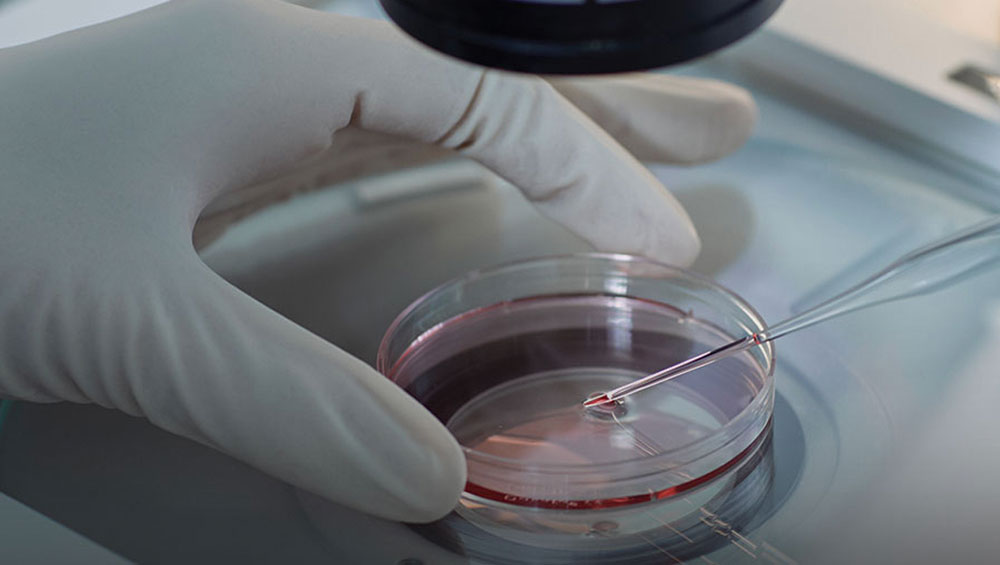
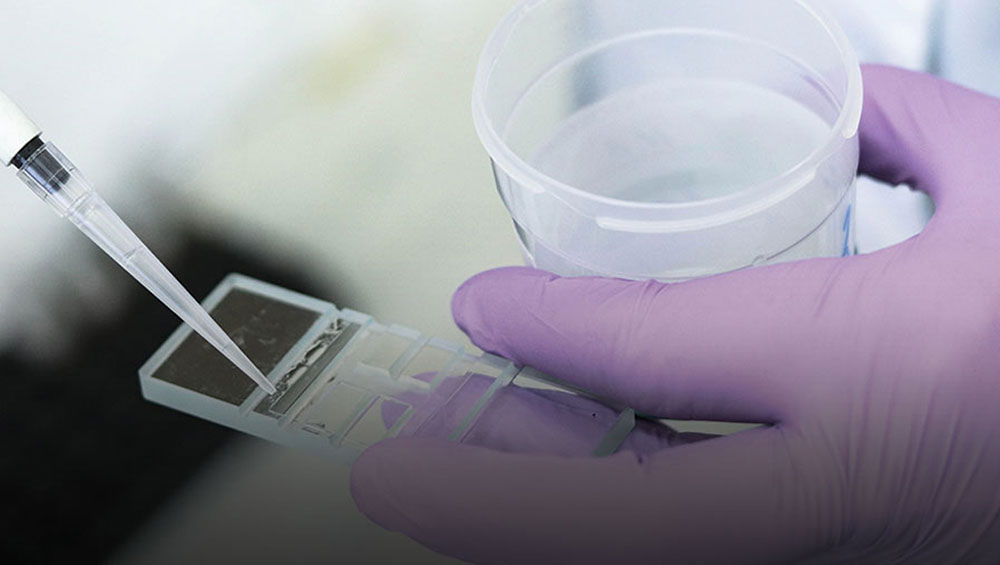
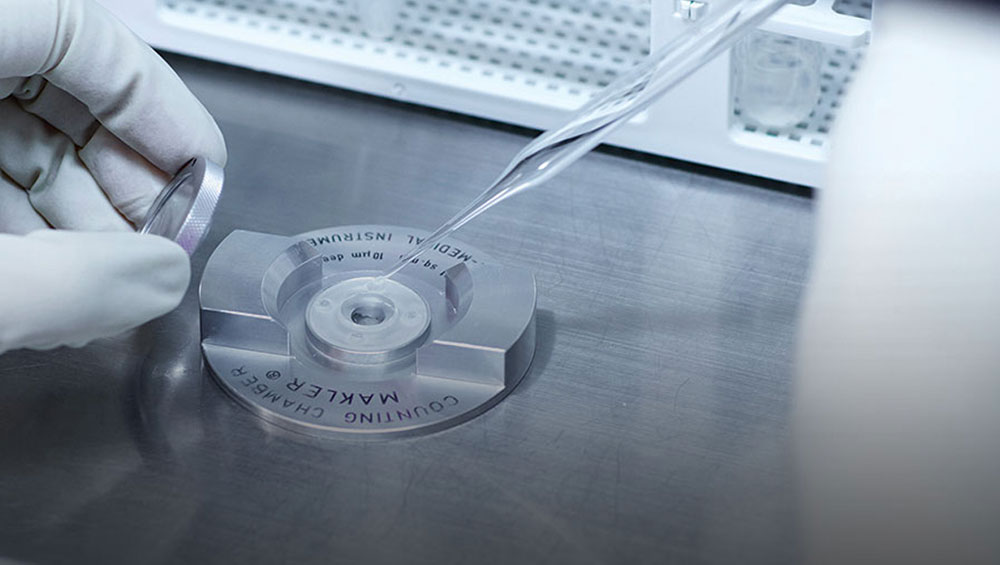
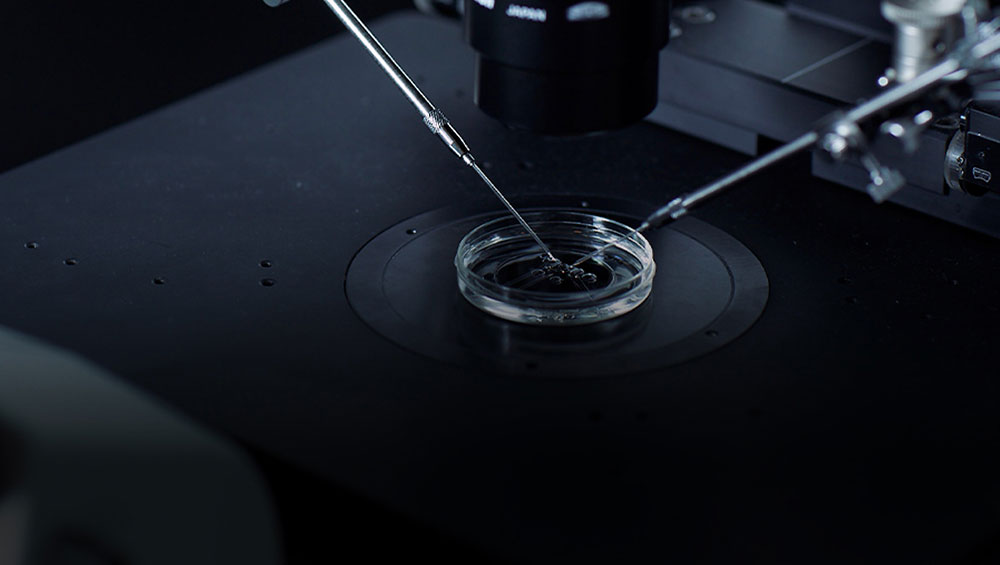
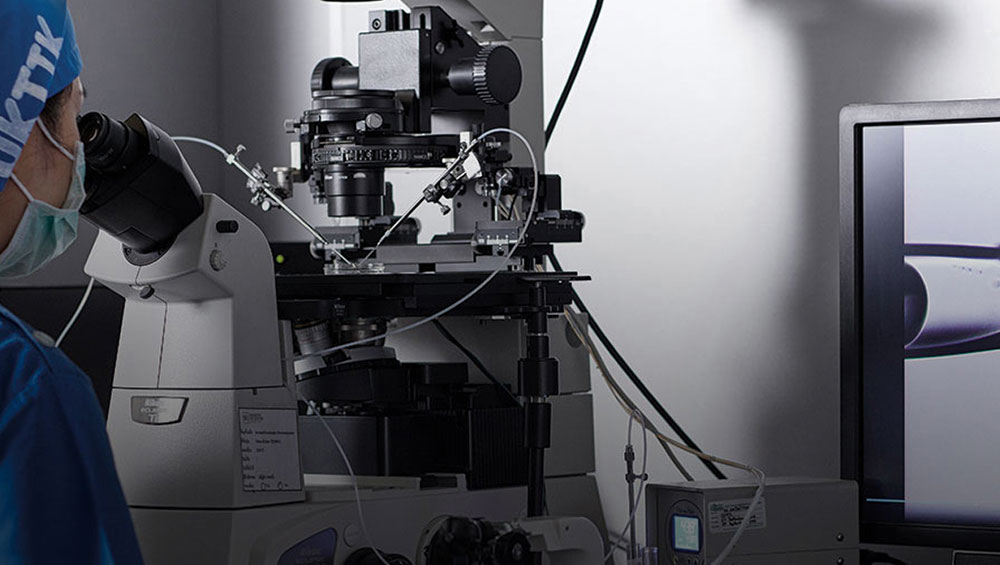
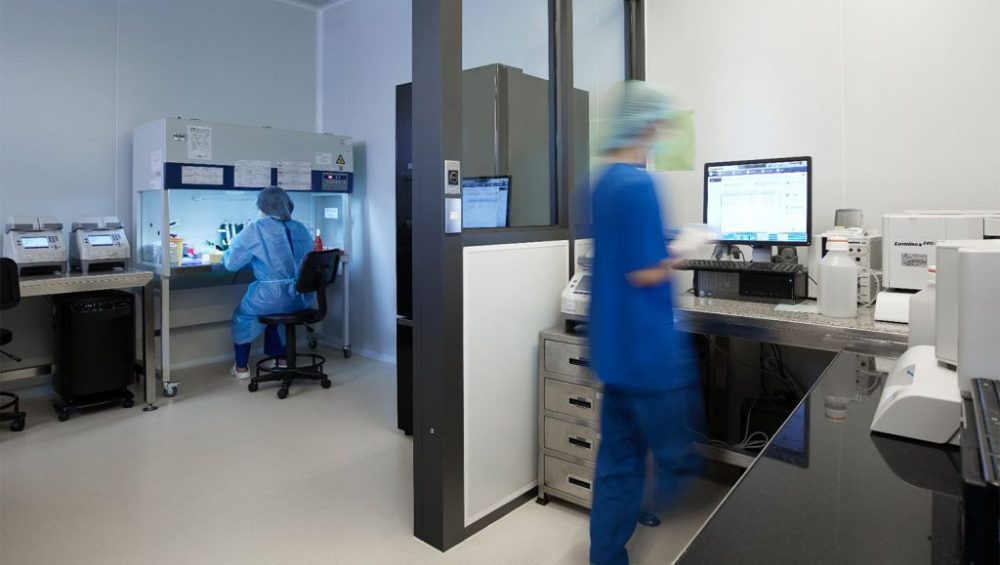
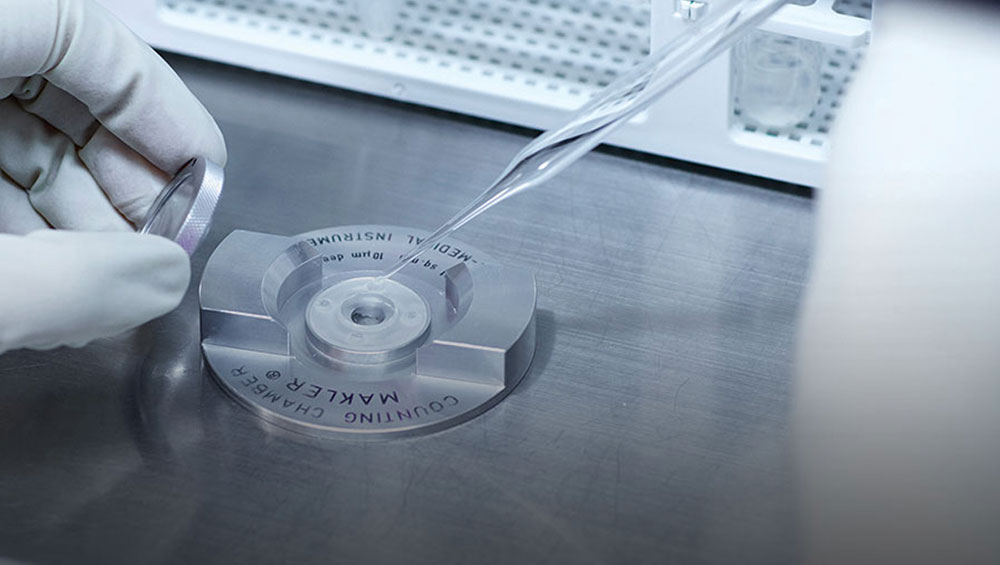
On the day of ovulation, the male partner will visit the clinic to provide a semen sample. Scientists in the laboratory will then process the semen through a washing and selection method (Sperm Washing & Selection) to isolate only the strongest, highly motile, and highly concentrated sperm for the procedure.
Step 3: Intrauterine Insemination
Once the sperm sample is prepared, the doctor will insert a small, flexible plastic catheter through the cervix to inject the sperm directly into the uterine cavity. This step takes only a few minutes, requires no anesthesia, and feels very similar to a routine pelvic exam.
Step 4: Pregnancy Test
Approximately 14 days after the insemination, the doctor will schedule a blood test to check hormone levels and confirm pregnancy. Alternatively, the female partner can initially use a home urine pregnancy test on the date specified by the doctor.
Advantages and Limitations of IUI
Advantages of IUI
- Natural Conception Process: Fertilization takes place inside the body, making it very close to natural conception.
- Simple Procedure: The process is uncomplicated, requiring no surgery or general anesthesia.
- Cost-Effective: It serves as an affordable initial alternative compared to IVF (In Vitro Fertilization) technologies.
- Minimal Side Effects: There are few side effects and no downtime required; patients can return to their normal daily activities immediately after the procedure.
Limitations of IUI
- Lower Success Rate per Cycle: The success rate is relatively modest, at about 10-15% per cycle, because it is harder to control fertilization factors compared to IVF or ICSI.
- Risk of Multiple Pregnancy: The use of ovulation induction medication may result in a twin or multiple pregnancy in some cases.
- No Genetic Screening: It is impossible to screen for chromosome variations or genetic abnormalities in the embryo, unlike other advanced methods.
Success Rate of IUI
The average success rate stands at around 10-15% per cycle. Key factors influencing this include the female partner’s age, the quality of the sperm, and the precise timing of the insemination. If performed continuously for 3-4 cycles, the cumulative pregnancy rate increases. However, if multiple attempts remain unsuccessful, the doctor may consider adjusting the treatment plan to a more suitable option.
Self-Care Before and After IUI
- For the Male Partner: Abstain from ejaculation for 2-4 days prior to the collection day to ensure the highest quality and volume of sperm.
- For the Female Partner (Before): Get plenty of rest and try to keep your mind relaxed.
- For the Female Partner (After): Lie down and rest quietly for about 10-15 minutes immediately after the insemination. During the first week, avoid strenuous exercise or heavy lifting to allow the body to be fully ready for embryo implantation.
Why choose IUI at Bangkok IVF Clinic (BIC)?
Bangkok IVF Clinic (BIC), a specialized fertility clinic, is delighted to act as your Fertility Planner, helping you design a personalized path to parenthood that fits your lifestyle:
- Physician Expertise: Supervised by fertility specialists with over 30 years of experience.
- Proactive Planning: We prioritize establishing the right timeline, whether it’s performing IUI to boost your initial chances of conception, or planning for ICSI and egg freezing for the future.
- Laboratory Standards: We feature highly efficient sperm selection processes to ensure only the healthiest sperm are selected for intrauterine insemination (IUI).
- Personalized Care: Treatment plans are tailored to your specific physical conditions and the physician’s expert medical judgment, ensuring your IUI process perfectly aligns with each couple’s unique health profile.
For more information or to schedule a consultation:
Line@ : @Bangkokivfclinic
โทร : +(66)02-933-1584 ถึง 6
Frequently Asked Questions About IUI (FAQs)
Q: What is the success rate for a single IUI cycle?
A: The average success rate is about 10–15% per cycle. This depends heavily on the female partner’s age and the quality of the sperm on the day of the procedure.
Q: How long does the IUI procedure take on the scheduled day?
A: The insemination procedure itself takes only 5–10 minutes. However, you should allow about 2–3 hours in total to account for the sperm preparation process and the resting period afterward.
Q: Is IUI painful? Do I need anesthesia?
A: It is not painful, and anesthesia is not required. The sensation during the procedure is very similar to a routine pelvic exam or a Pap smear.
Q: How many IUI cycles should be attempted to achieve success?
A: Doctors generally recommend trying for 3–4 cycles. If pregnancy is not achieved within this timeframe, a transition to more advanced reproductive technologies may be considered.
Q: How does IUI differ from IVF and ICSI?
A:IUI involves injecting prepared sperm into the uterus for natural fertilization inside the body. In contrast, IVF and ICSI involve fertilizing the egg outside the body in a laboratory before transferring the resulting embryo back into the uterus.