Many women may feel confused and anxious when faced with irregular periods, easy weight gain, or the persistent struggle to conceive, only to eventually be diagnosed with PCOS (Polycystic Ovary Syndrome). This diagnosis immediately sparks questions: “Can PCOS be cured?” and “Do I still have a chance to get pregnant like everyone else?”
The feelings of disappointment and the fear that the dream of motherhood might never come true are shared by many. However, the reality is that PCOS is not the end of hope. There are medical pathways and treatments available to increase the chances of pregnancy, provided you understand your body and choose the right care starting today.
What is PCOS?
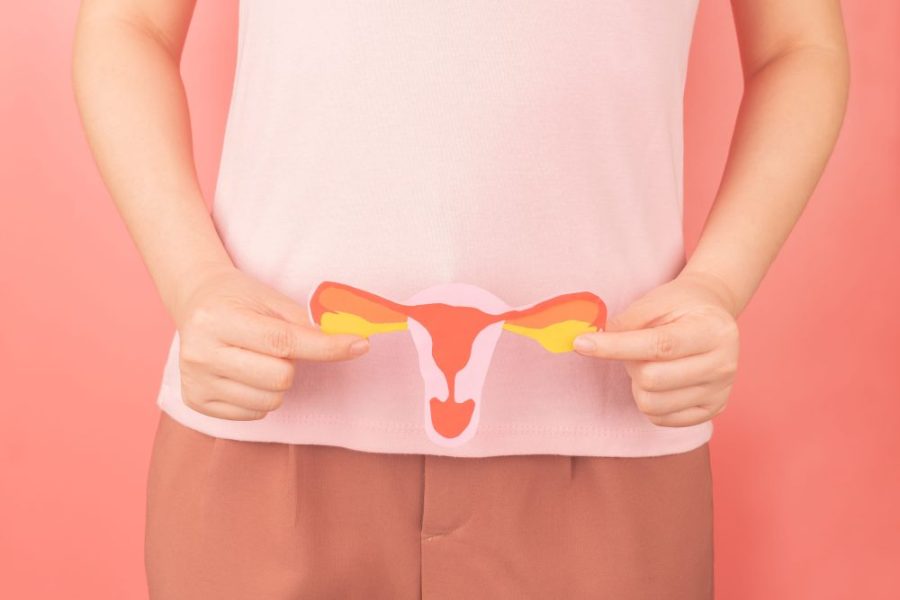
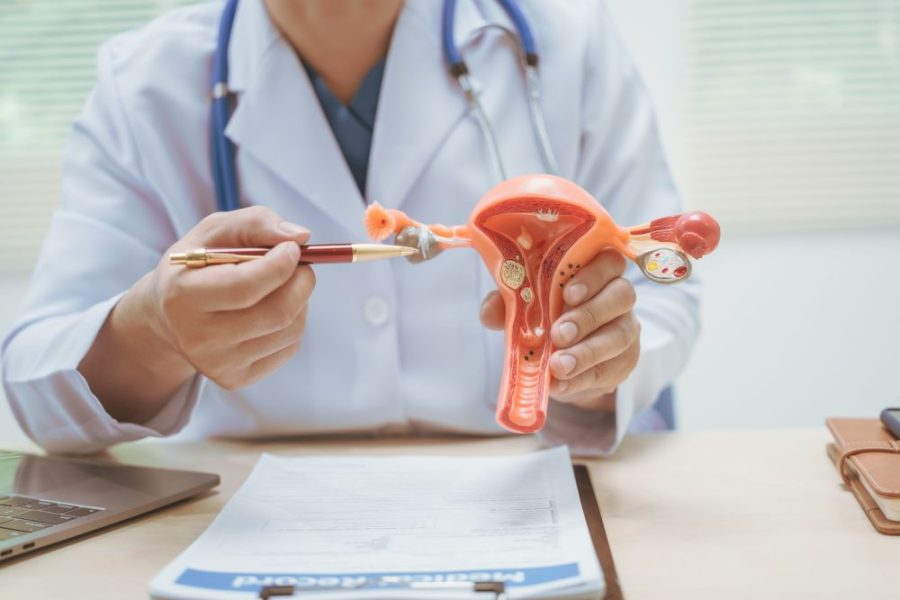
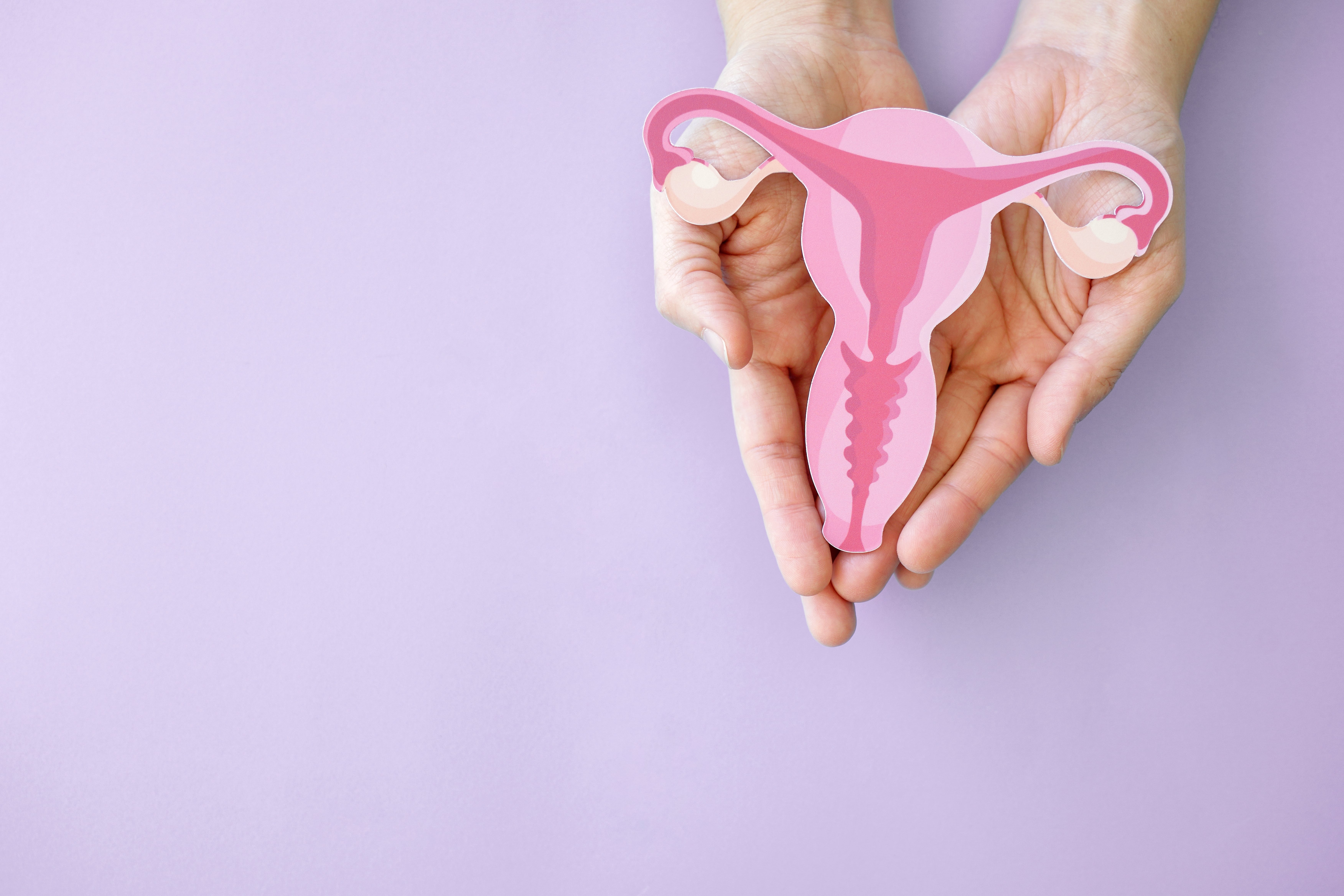
PCOS (Polycystic Ovary Syndrome) is a hormonal disorder characterized by the presence of numerous small follicles in the ovaries. It stems from ovarian dysfunction, which directly results in irregular ovulation or, in some cases, no ovulation at all (anovulation).
When performing an ultrasound, doctors typically find multiple small cysts (fluid-filled sacs) in the ovaries, causing them to enlarge. Despite the quantity, these follicles fail to mature fully, preventing normal ovulation. This abnormality leads to menstrual issues and, subsequently, infertility.
Common Symptoms of PCOS:
Irregular Periods: Cycles longer than 35 days or inconsistent timing.
Weight Gain or Obesity: Particularly “belly fat,” which is often linked to insulin resistance.
Signs of High Androgen (Male Hormones): Severe acne (especially in the T-zone), oily skin, excess body hair (hirsutism), or male-pattern hair thinning.
Infertility: A direct result of infrequent or absent ovulation.
What Causes PCOS?
While the exact cause of PCOS remains unclear, medical studies suggest a combination of several factors:
1. Hormonal Imbalance
Patients often have elevated levels of LH (Luteinizing Hormone) while FSH (Follicle-Stimulating Hormone) remains at normal levels, preventing follicles from maturing and ovulating regularly. Additionally, high levels of Free Testosterone in the blood trigger acne, excess hair growth, and hair loss.
2. Insulin Resistance
Insulin is the hormone responsible for transporting sugar into cells for energy. In PCOS patients, the body often fails to respond to insulin normally. This high level of insulin in the bloodstream stimulates the ovaries to produce more male hormones and increases the risk of Type 2 Diabetes.
3. Genetics
If family members, such as a mother or sister, have PCOS, your risk of developing the condition is significantly higher, indicating a strong genetic link.
4. Environment and Lifestyle
A diet high in refined carbohydrates, sugar, and fats, combined with a lack of exercise, obesity, and chronic stress, can exacerbate PCOS symptoms and make them more severe.

How is PCOS Diagnosed?
Diagnosing PCOS requires a combination of several methods. Generally, the process involves the following steps:
Medical History and Physical Examination
The doctor will discuss your menstrual history, cycle frequency, and weight changes. They will also look for physical signs of high androgen levels (male hormones), such as excess body hair (hirsutism) and acne.
Blood Tests
These are conducted to check levels of key hormones like LH, FSH, and Testosterone. These tests also help rule out other conditions with similar symptoms, such as thyroid disorders or adrenal gland issues.
Pelvic Ultrasound
This is a crucial step to examine the appearance of the ovaries. If an ultrasound reveals more than 10 small follicles (cysts) in the ovaries along with other symptoms, a diagnosis of PCOS can be confirmed.
Can PCOS be Cured?
PCOS cannot be completely cured because it is a “syndrome” rooted in hormonal imbalance and genetics. However, patients can effectively manage the symptoms and reduce long-term health risks through proper care.
Whether through lifestyle modifications, weight management, medication, or Assisted Reproductive Technology (ART), having PCOS is not the end of the road for those dreaming of starting a family. With the right approach, the chances of a successful pregnancy remain very high.
Self-Care and Treatment to Increase Pregnancy Chances
1. Lifestyle Modification
This is the most critical first step. For those who are overweight, losing just 5–10% of body weight can significantly help balance hormones, regulate periods, and increase the frequency of ovulation.
- Balanced Diet: Focus on vegetables, fruits, whole grains, and lean proteins.
- Limit Triggers: Reduce processed foods, sugar, and saturated fats. Avoid junk food and very sweet fruits.
- Regular Exercise: Combine cardio (brisk walking, swimming) with yoga or weight training.
2. Medication
Doctors may prescribe medication based on individual goals:
- Combined Oral Contraceptives: For those not yet planning to conceive, these help regulate cycles and reduce acne/excess hair.
- Ovulation Induction Medication: For those trying to get pregnant, these help stimulate the release of eggs.
3. Assisted Reproductive Technology (ART)
If lifestyle changes and basic medications are not enough, advanced medical technologies can help:
- IUI (Intrauterine Insemination): Injecting washed and concentrated sperm directly into the uterus during ovulation.
- IVF (In Vitro Fertilization): Fertilizing eggs with sperm in a laboratory, then transferring the resulting embryo back into the uterus.
- ICSI (Intracytoplasmic Sperm Injection): A specialized IVF technique where a single healthy sperm is injected directly into an egg. This is ideal for couples with sperm quality issues (low count, poor motility, or high DFI).
- PGT-A (Preimplantation Genetic Testing for Aneuploidy): Screening embryos for chromosomal abnormalities before transfer to reduce miscarriage risks and increase the chances of a healthy pregnancy.
For more information, please inquire.
- Call: +(66)02-933-1584 to 6
- Line@ : @Bangkokivfclinic
References
- Polycystic Ovary Syndrome (PCOS): Symptoms, Causes, and Treatment. Retrieved on September 30, 2025 from https://www.healthline.com/health/polycystic-ovary-disease.